1 hr 30 min
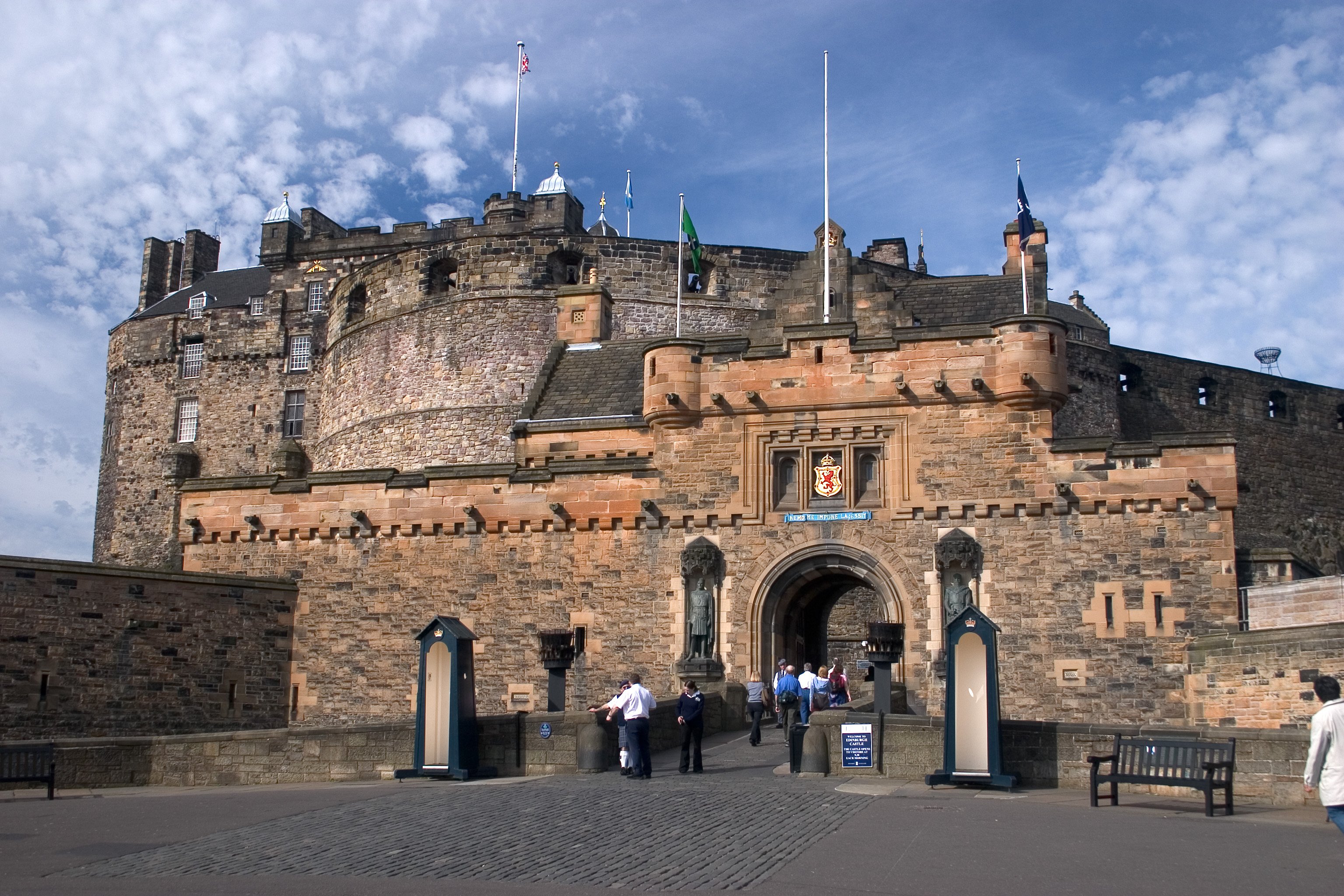
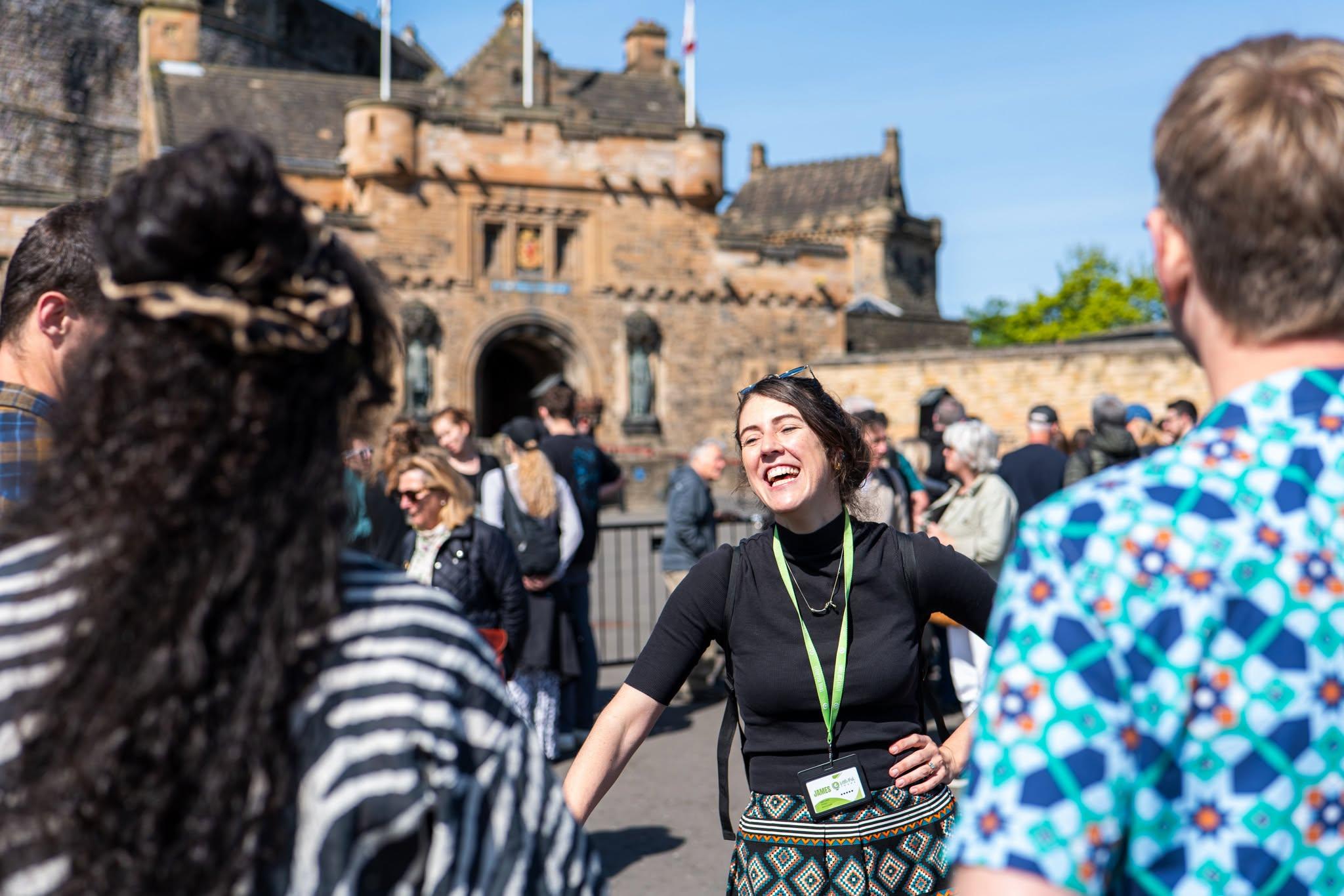
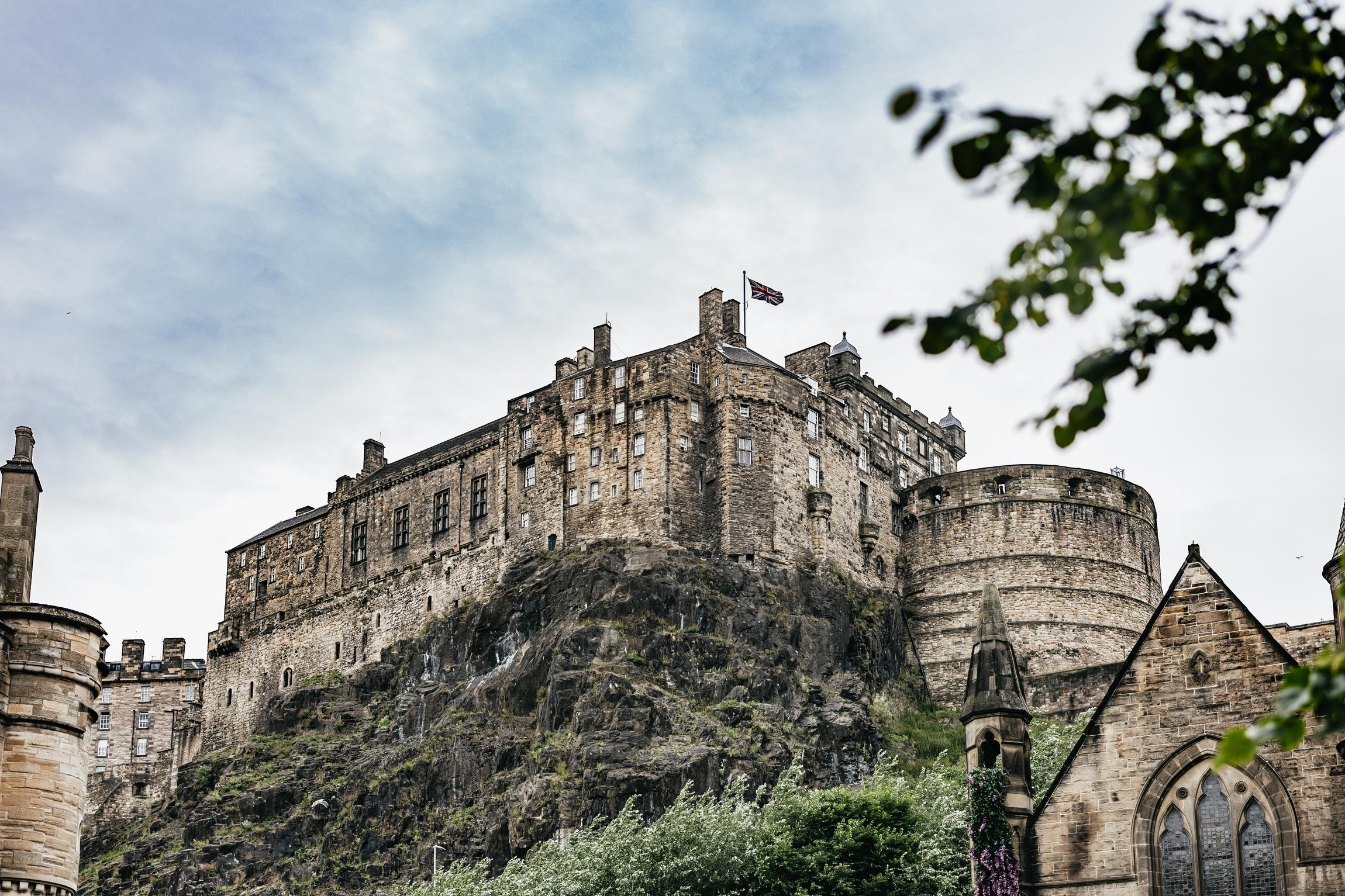
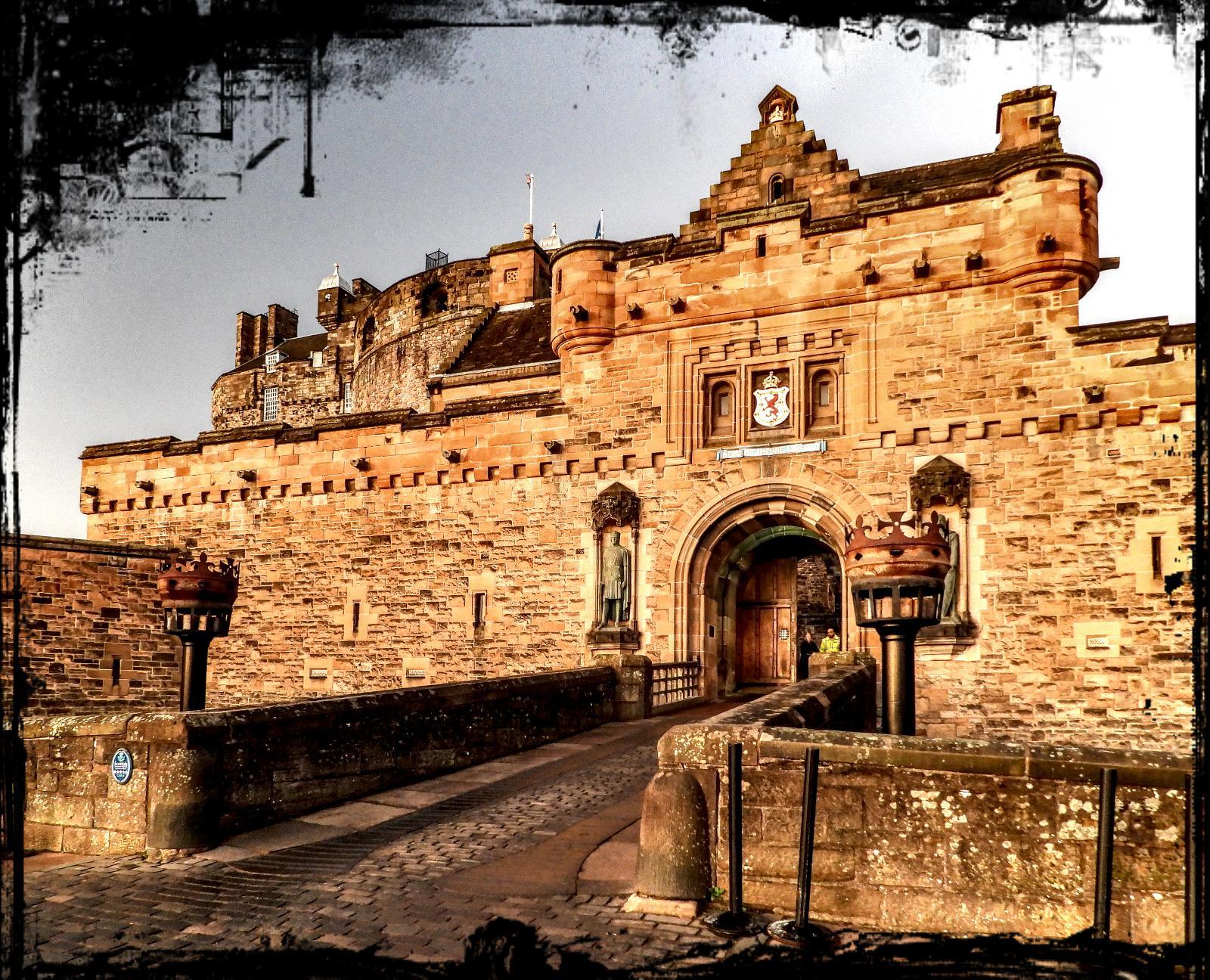
Edinburgh Castle Guided Walking Tour with Entry Ticket
- Expert local guide
- Small group
- Skip-the-line access
- Free cancellation
Caerphilly Castle Tickets — Moated Fortress Entry & Guided Tours
Water rings the curtain wall, a leaning tower holds its ground.
Compare fares, pick the fit — all bookings are mobile-voucher and eligible for free cancellation where shown.
1 hr 30 min
1 hr 30 min
2 hr
| Experience | Duration | Rating | Skip-the-line | Guide | Small group | Free cancel. | Price | |
|---|---|---|---|---|---|---|---|---|
|
Guided Experience
Most popular
Edinburgh Castle Guided Walking Tour with Entry Ticket
|
1 hr 30 min | ★ 4.7 | ✓ | ✓ | ✓ | ✓ | €46 | Book → |
|
Standard Entry
Edinburgh Castle Guided History Tour with Entry Ticket
|
1 hr 30 min | ★ 4.8 | ✓ | ✓ | — | ✓ | €46 | Book → |
|
Guided Experience
Edinburgh Castle Guided Tour with Expert Local Guide
|
2 hr | ★ 4.9 | ✓ | ✓ | ✓ | ✓ | €61 | Book → |
Strong value for castle-lovers, thin for rushed stops
Caerphilly Castle Tickets cost £13.50 for adult single-location admission, and the arithmetic works out well: that is roughly 45 pence per acre across a 30-acre site, the largest fortress in Wales and one of Europe's great concentric strongholds. You get the full circuit of walls and water defences, the restored Great Hall, the leaning tower, and the replica siege engines out on the ground — enough material that most people fill a genuine morning rather than a token look. Value dips in two situations. If you are passing through with under an hour, you are paying full price for a fraction of the site. And if you have already bought a Cardiff ticket for the same day, the marginal spend feels heavier. Cadw membership pays for itself fast if you plan two or three Welsh landmarks, since the moat, curtain walls and gatehouses reward slow walking rather than a quick photo stop.
Bottom line: If you can give it half a day, Caerphilly Castle tickets are among the better-value heritage admissions in south Wales — if you cannot, save your £13.50 for a visit when you can.
Most South Wales itineraries have room for both, but if you must pick one, history-first travelers should book Caerphilly Castle Tickets while decor-lovers should choose Cardiff Castle. Anyone weighing a Caerphilly Castle tour against the capital's Victorian showpiece is really choosing between ruins and rooms.
|
Top pick Caerphilly Castle |
Cardiff Castle | |
|---|---|---|
| What you see | Ruined medieval fortress, twin lakes, leaning tower | Victorian Gothic apartments, Norman Keep, museum |
| Level of restoration | Largely unrestored stonework and ruins | Heavily restored, lavishly decorated interiors |
| Time needed | 2–3 hours | 1.5 hours (plus tour time) |
| Price | £13.50 adult | £16.50 adult |
| Getting there from Cardiff | Direct train, about 15–20 min | Located in Cardiff city centre |
| Best for | Fortress scale, water defences, photography | Ornate rooms, family activities, city convenience |
| See tickets & prices |
Verdict: Caerphilly wins for raw medieval scale and moody ruins, while Cardiff Castle wins for polish and city-centre ease, so pairing a morning at one with an afternoon at the other via the short train link makes a complete South Wales castles day.
Hand-picked experiences loved by thousands of travelers
1.5 hours
Free Cancellation
Walk 3,000 years of Scottish history with a local guide, castle entry included, then explore solo.
1.5 hours
Free Cancellation
Step into the King's official Scottish residence and uncover centuries of royal history on the Royal Mile.
Self-guided visit
Free Cancellation
Step inside the King's official residence and wander the opulent State Rooms at your own pace.
2.5 - 3 hours
Free Cancellation
Skip the planning and step inside the world's oldest occupied castle, still home to royal treasures today.
Full day (self-paced)
Free Cancellation
Explore a medieval royal palace, climb the Great Tower, and uncover secret wartime tunnels.
9 hours
Free Cancellation
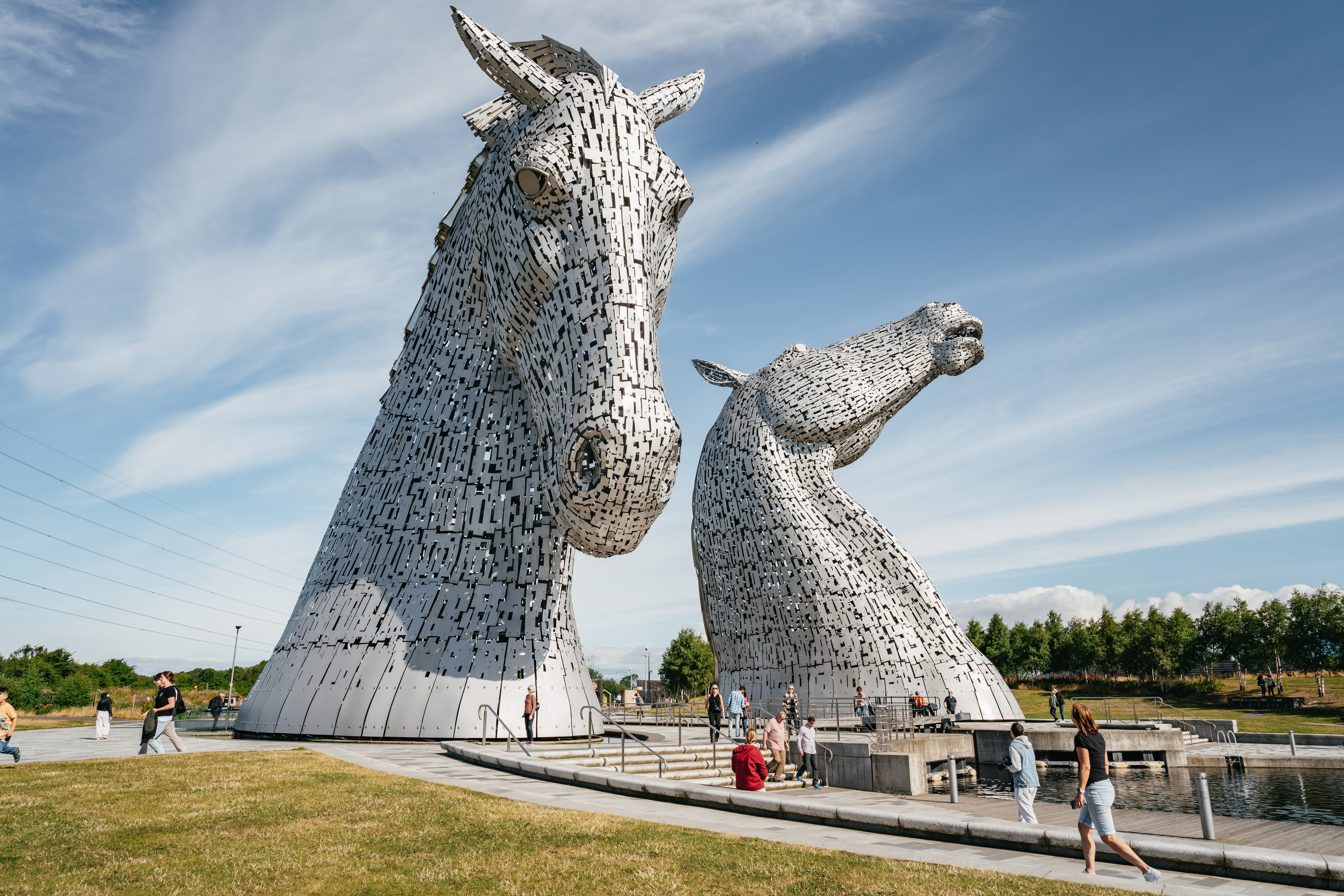
A full-day coach journey to the Kelpies, Loch Lomond, the Trossachs, and Stirling Castle.
8 hours
Free Cancellation
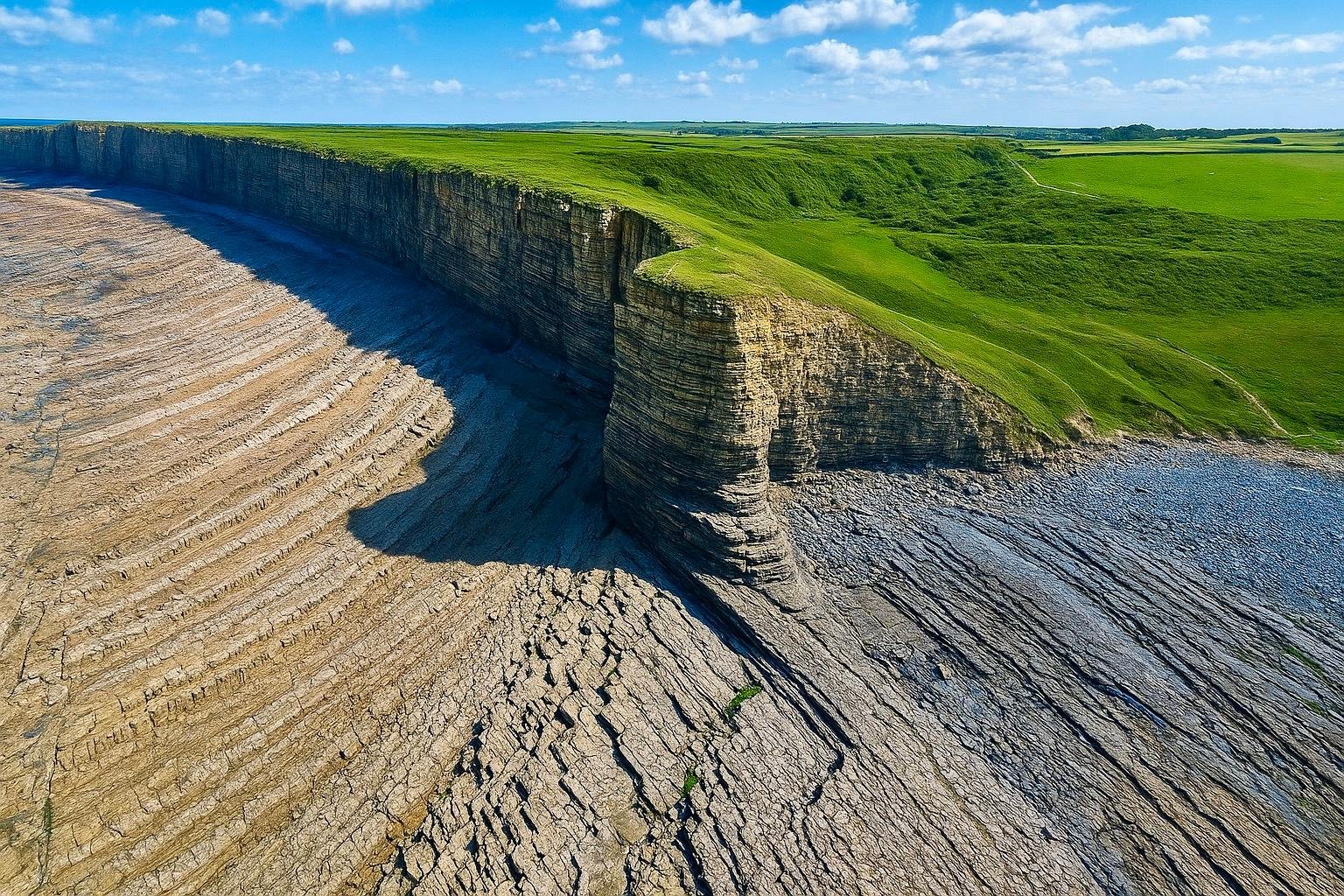
Full-day coach tour to Barry Island, Nash Point cliffs, Ogmore Castle, St Fagans & Caerphilly Castle.
8 hours
Free Cancellation
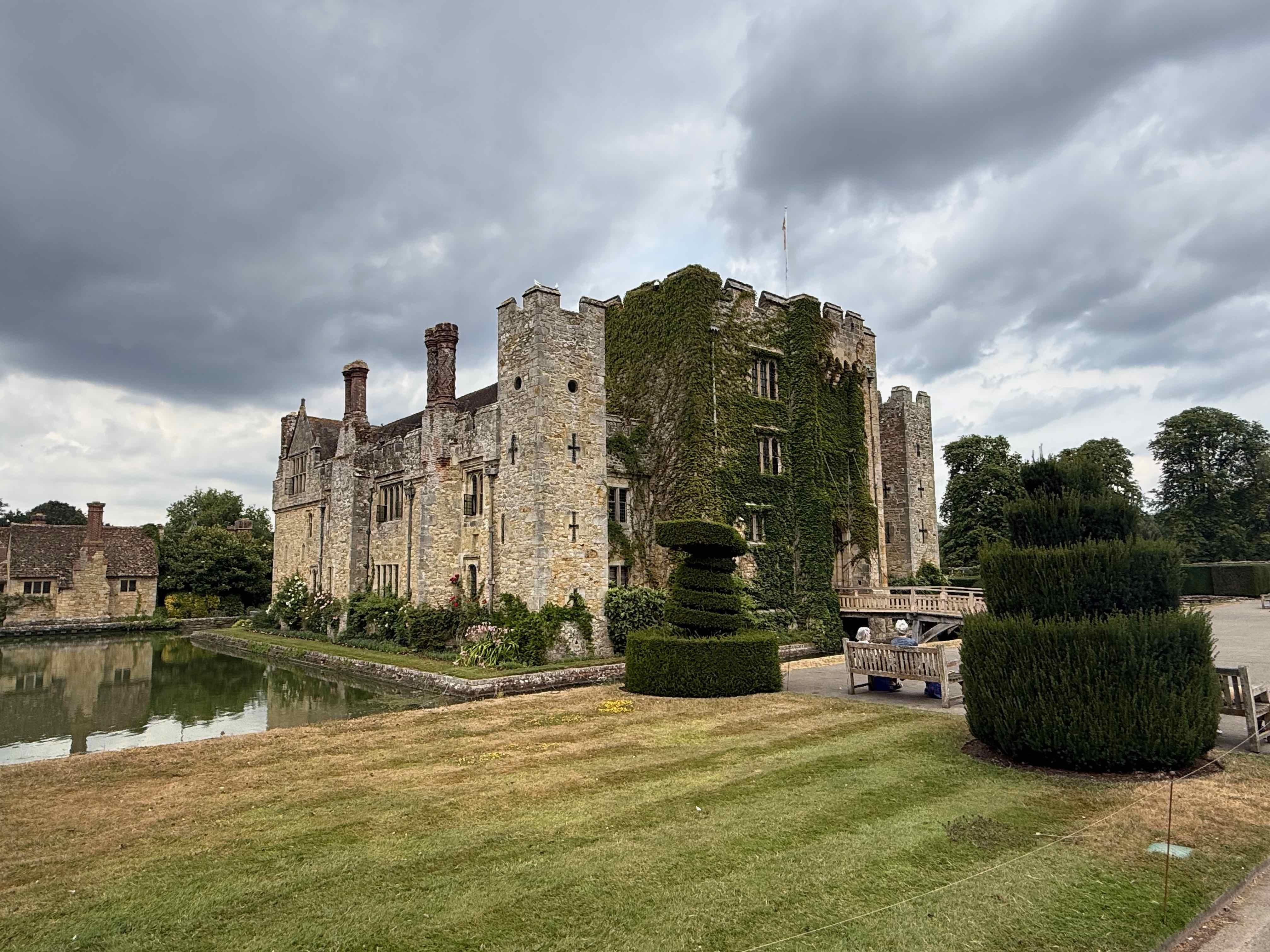
A full-day journey from London into Tudor history, from Anne Boleyn's childhood castle to a timeless village.
Collect Caerphilly Castle Tickets and pass through the outer gatehouse into the moat approach
Walk the water defences and outer ward, viewing the lake surrounding the fortress
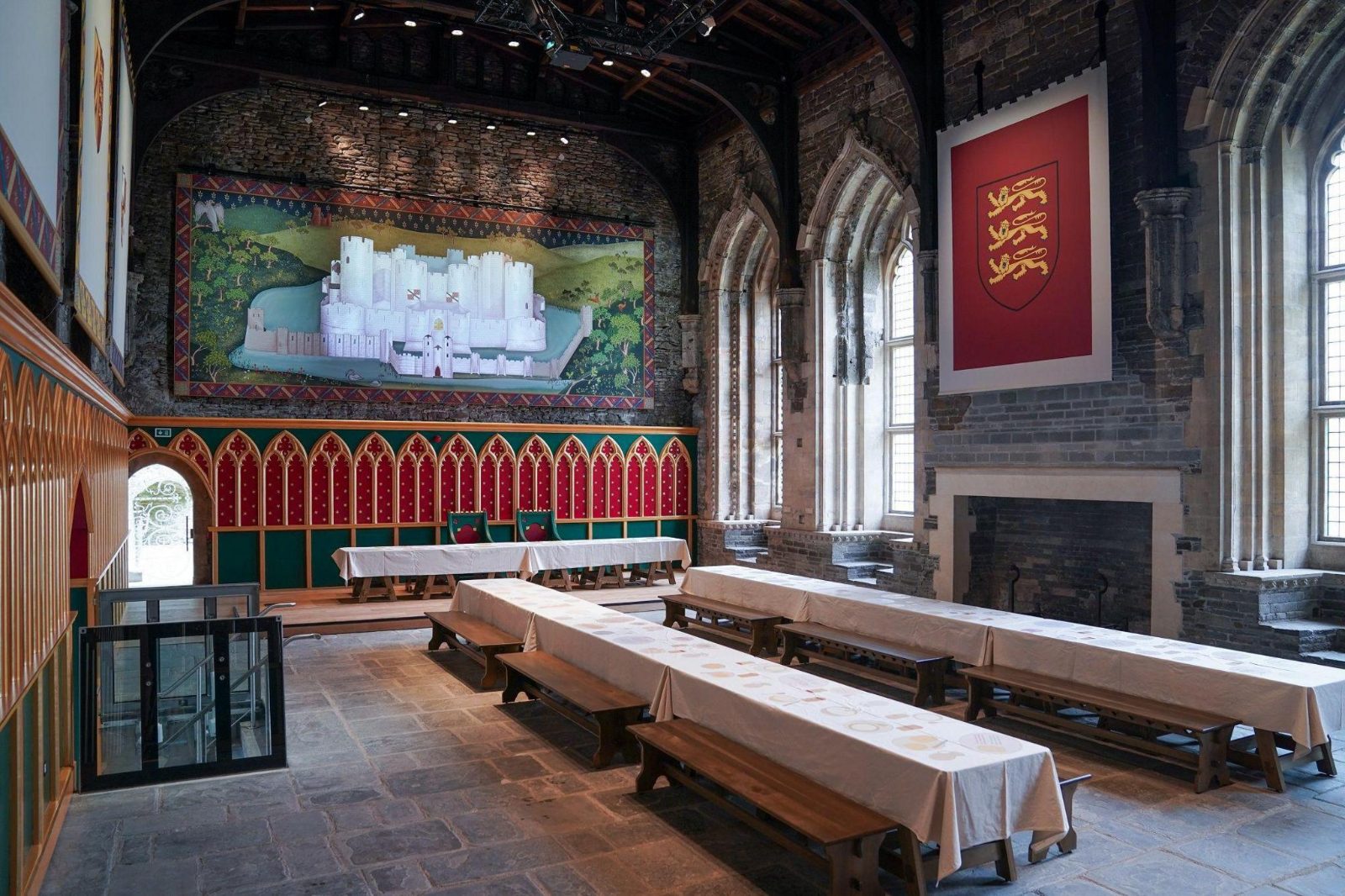
Explore the restored Great Hall with its digital exhibits and timber roof reconstruction
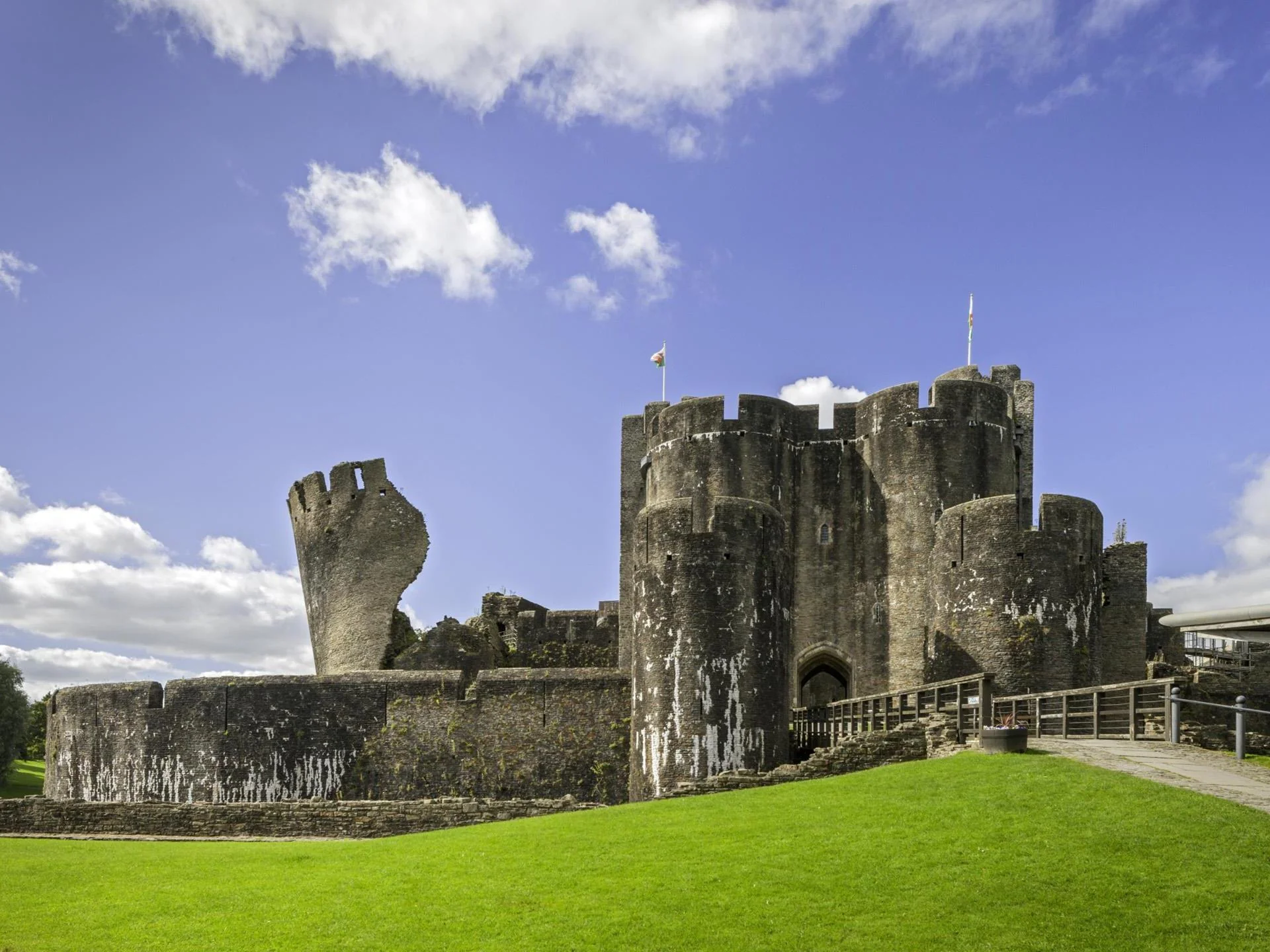
Climb the tower that leans further than the Tower of Pisa and view the Civil War damage
Family-friendly maze and open inner ward space, good for photos and a short rest
Finish with a snack or Caerphilly cheese tasting at the visitor centre café opposite the entrance
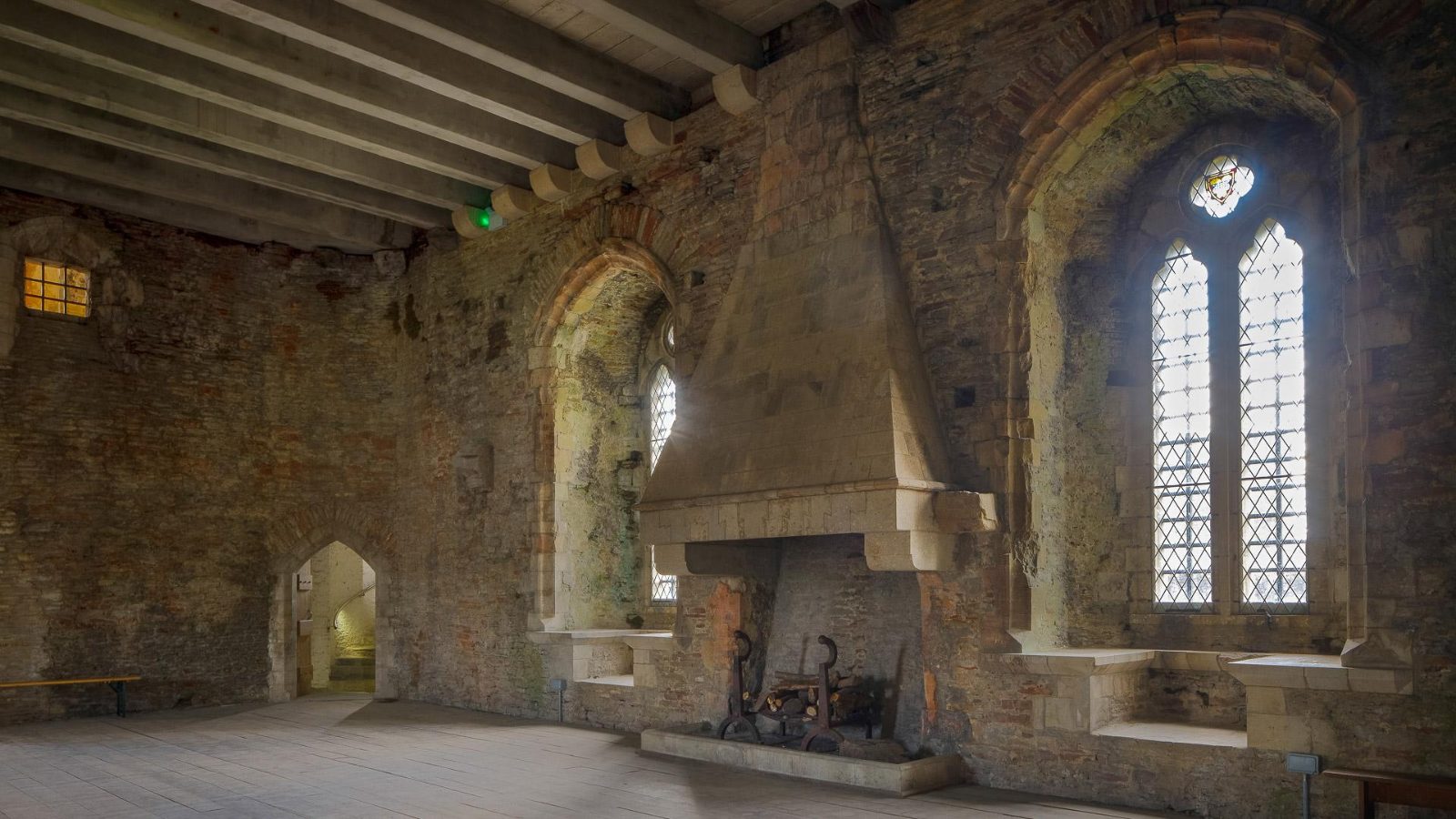
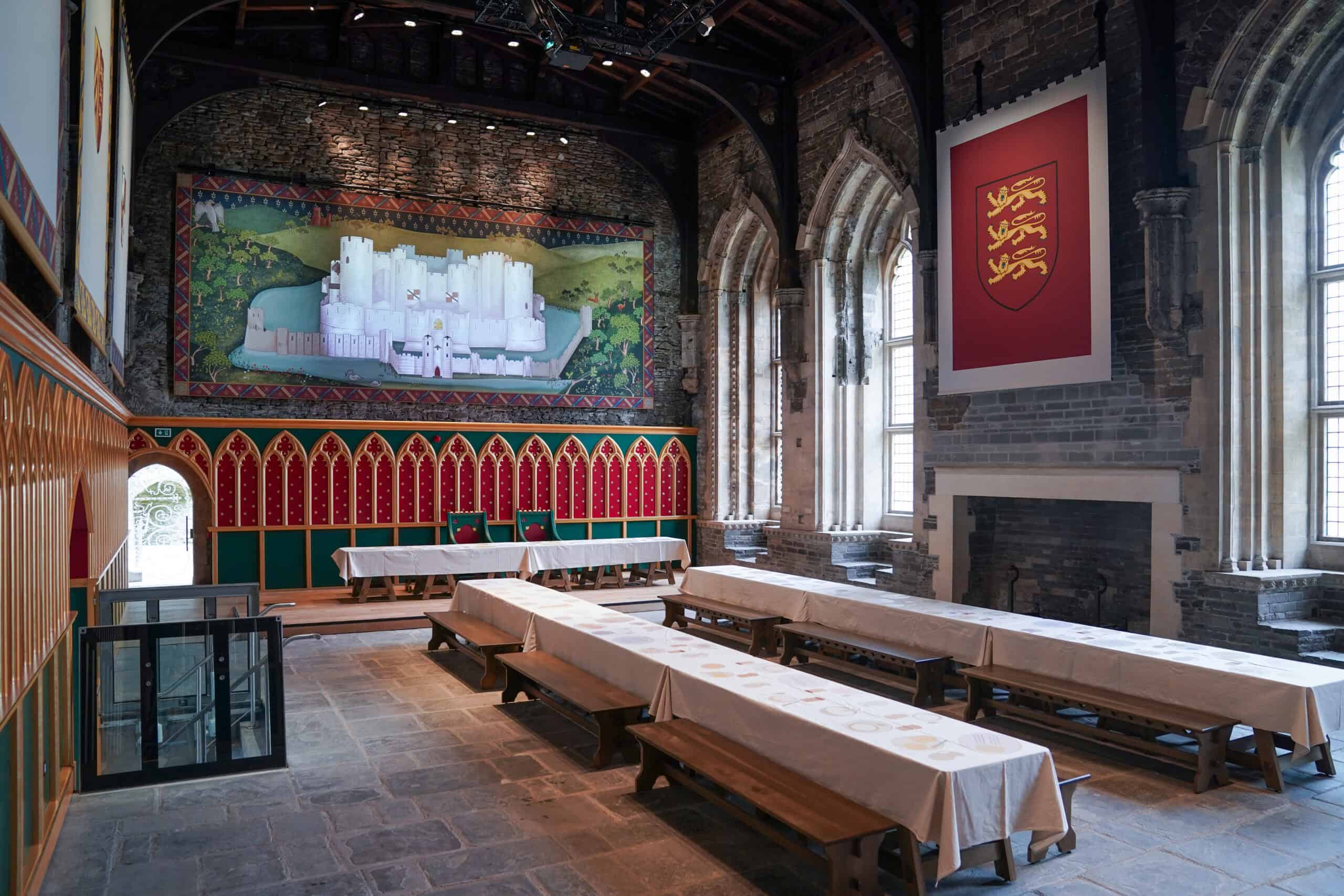
The restored Great Hall features a reconstructed timber roof and state-of-the-art digital exhibits installed after a major conservation programme. It was originally rebuilt by Hugh le Despenser in the 1320s and remains the ceremonial heart of the castle.
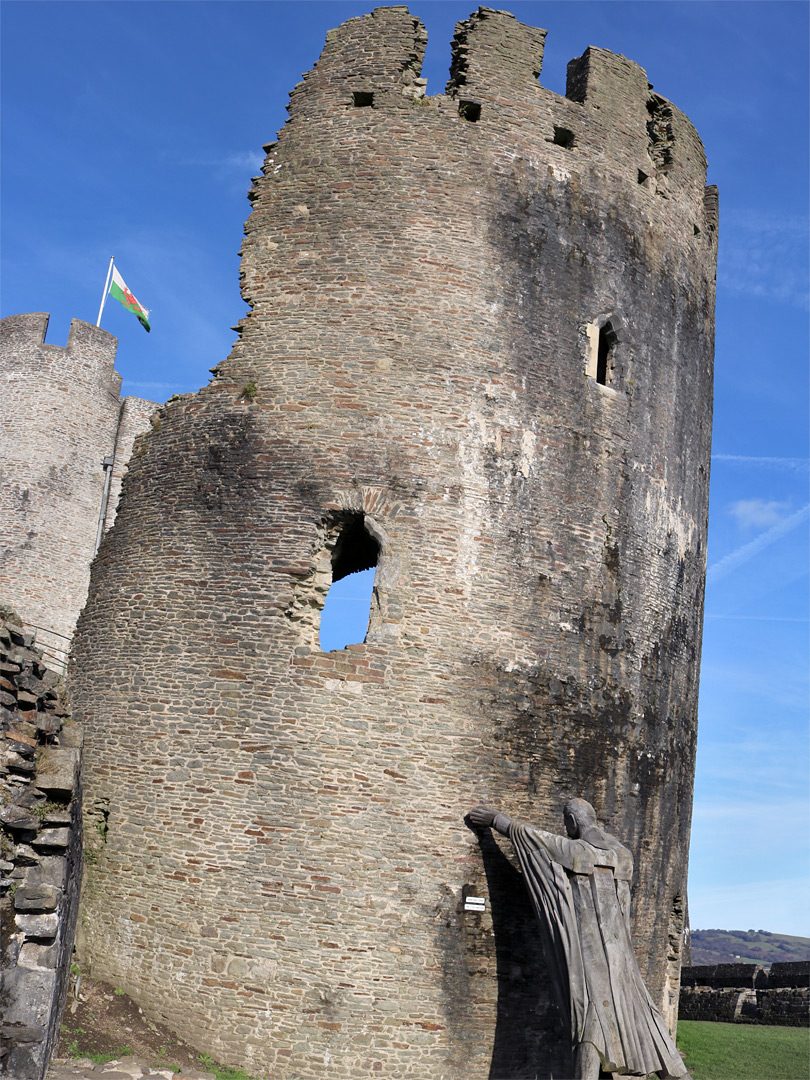
Damaged during the English Civil War, this tower now leans roughly 10 degrees from vertical, further off-plumb than the Leaning Tower of Pisa. Visitors can climb inside to see the extent of the historic subsidence up close.
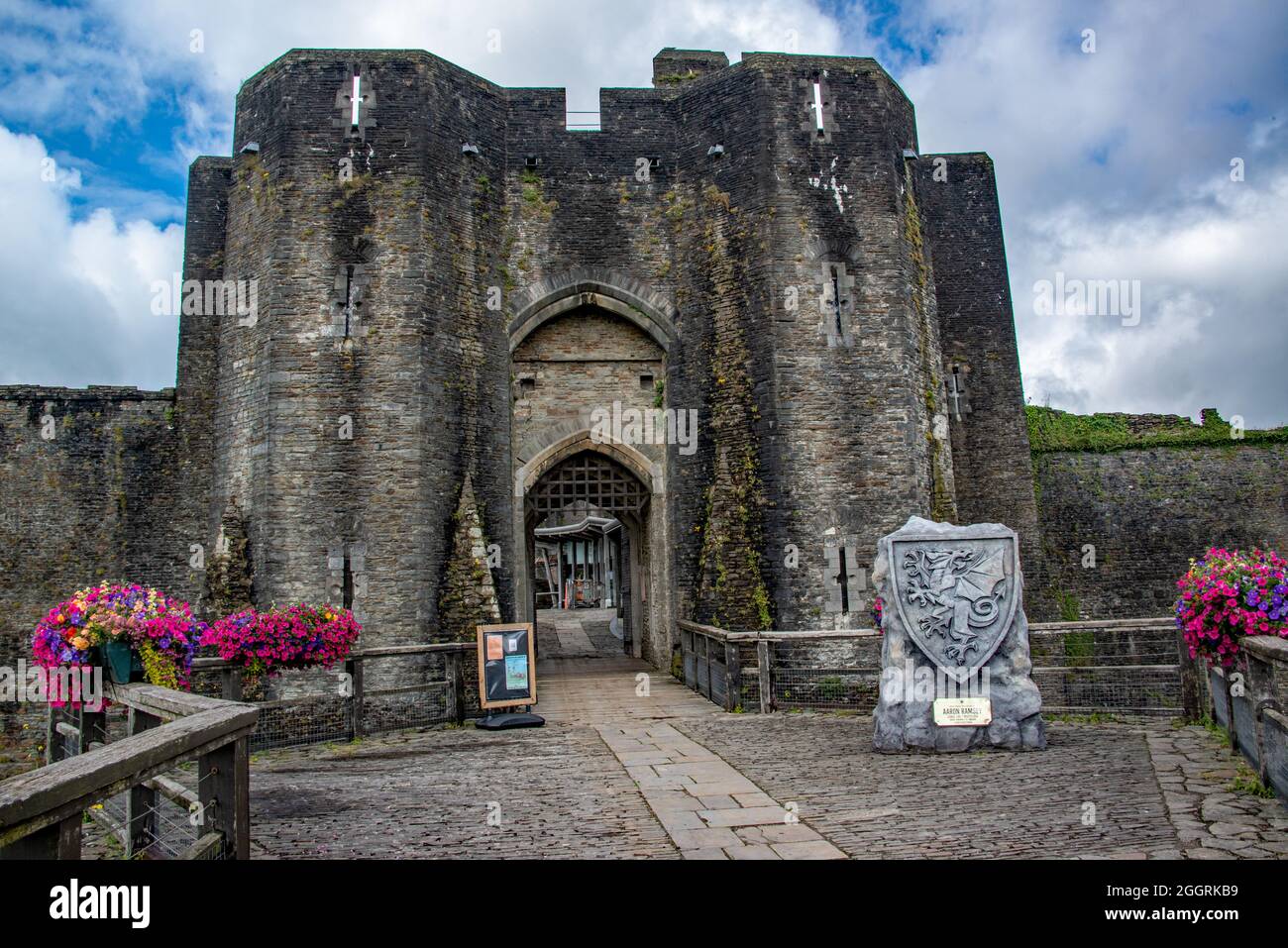
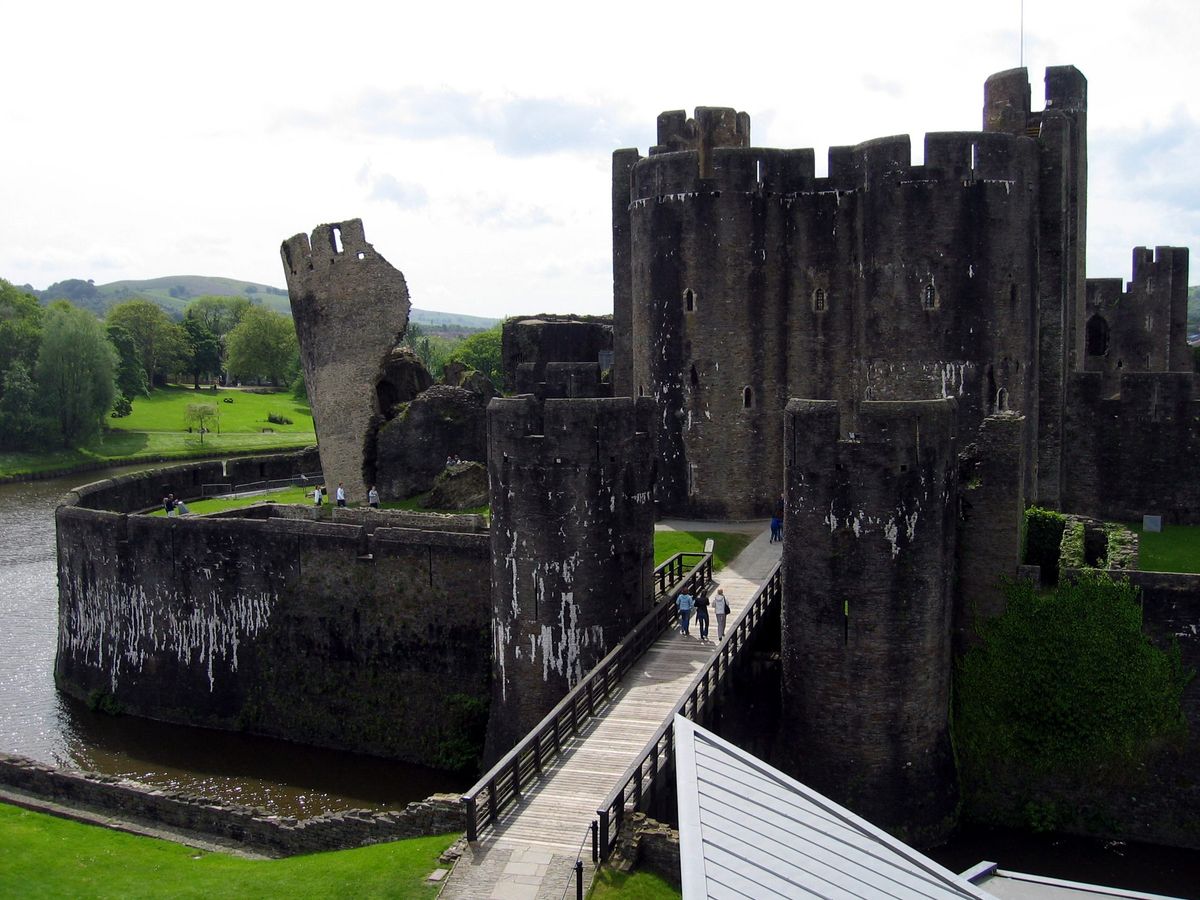
One of the most heavily fortified entrances in the castle's concentric defence system, this gatehouse has undergone recent conservation work including roof and drainage repairs. Its multiple portcullises once made it nearly impossible to breach.
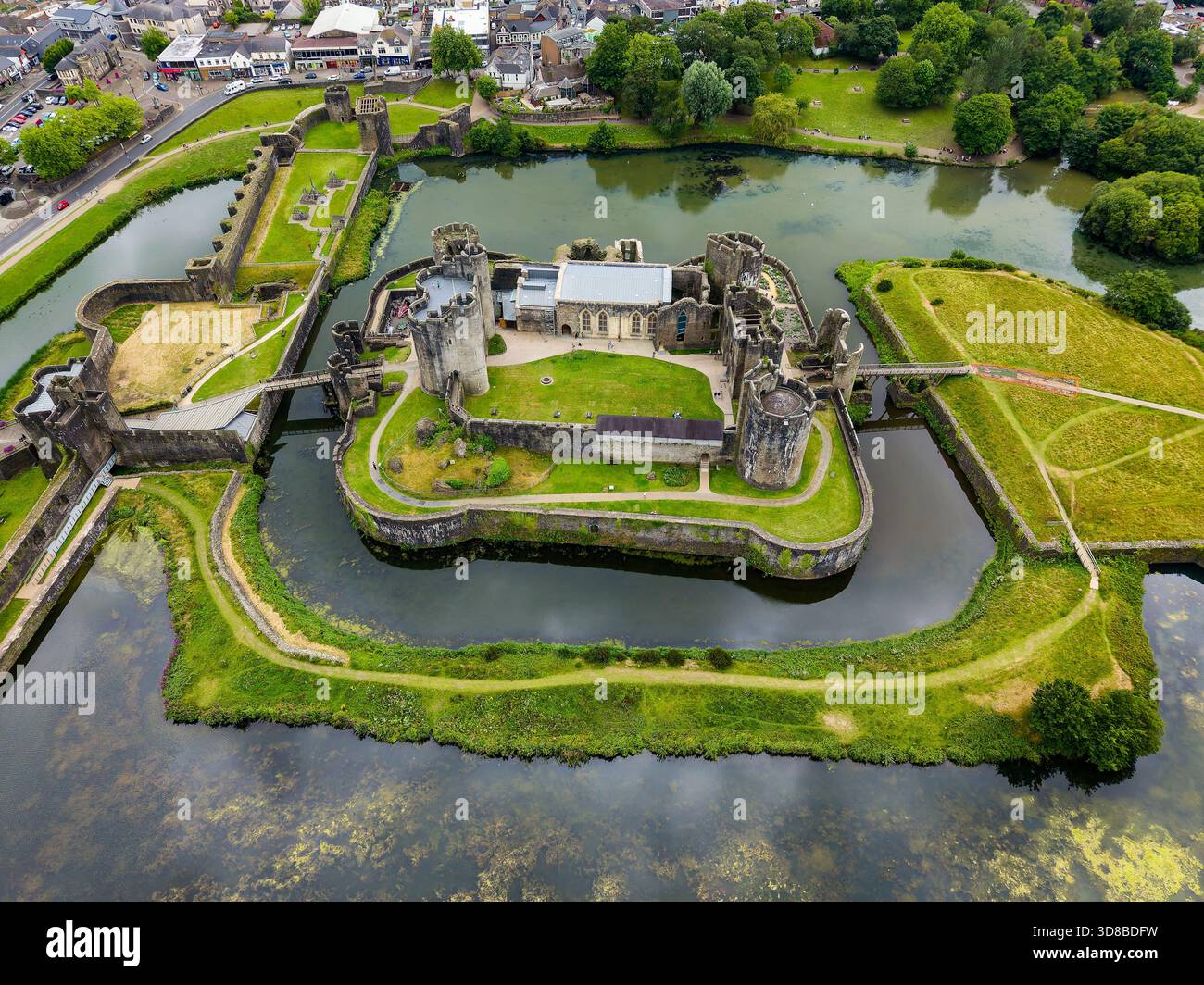
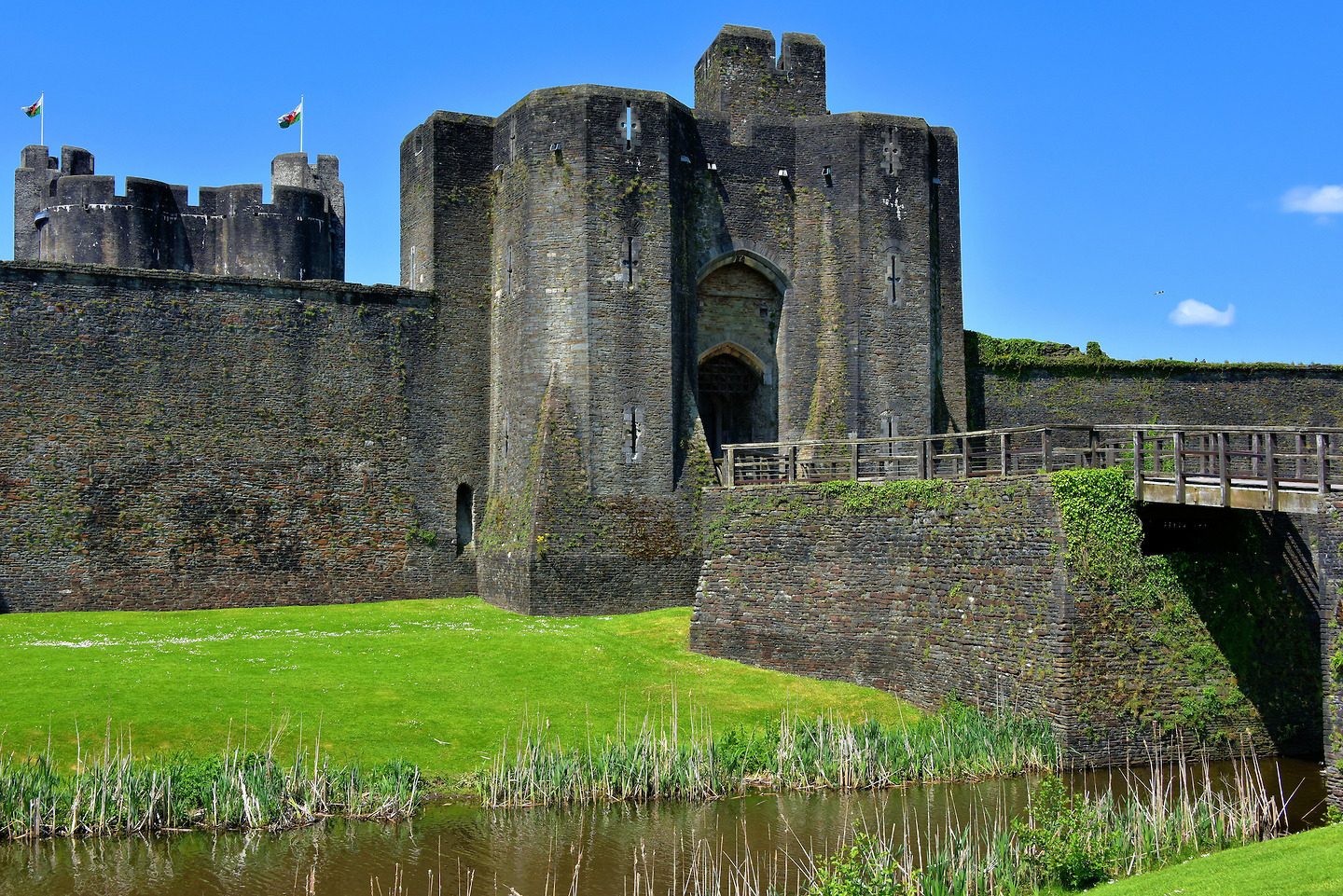
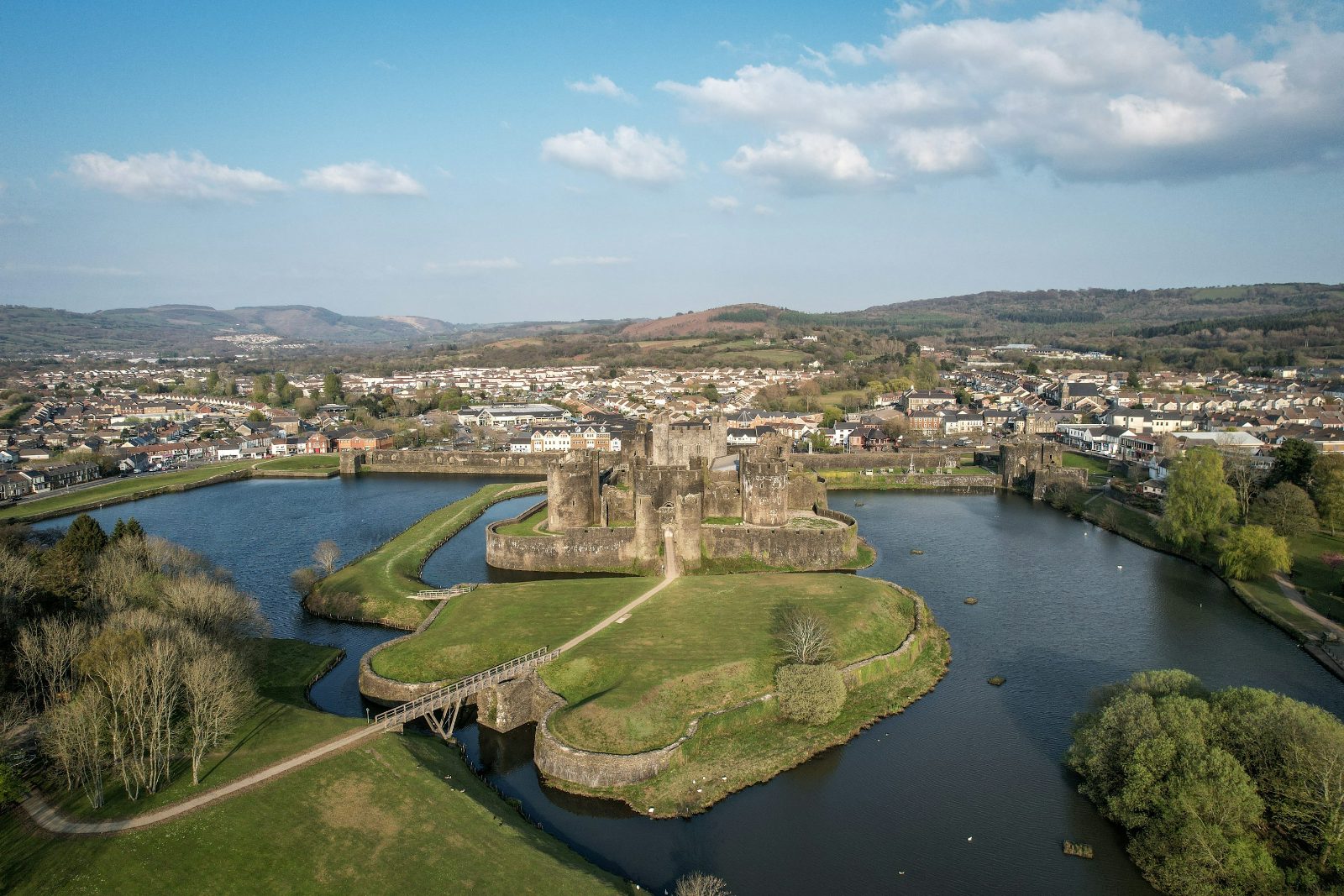
Covering much of the site's 30-acre footprint, the artificial lake and moat system is among the most extensive water defences ever built in Britain. It made traditional siege tactics such as tunnelling or mining the walls virtually unworkable.
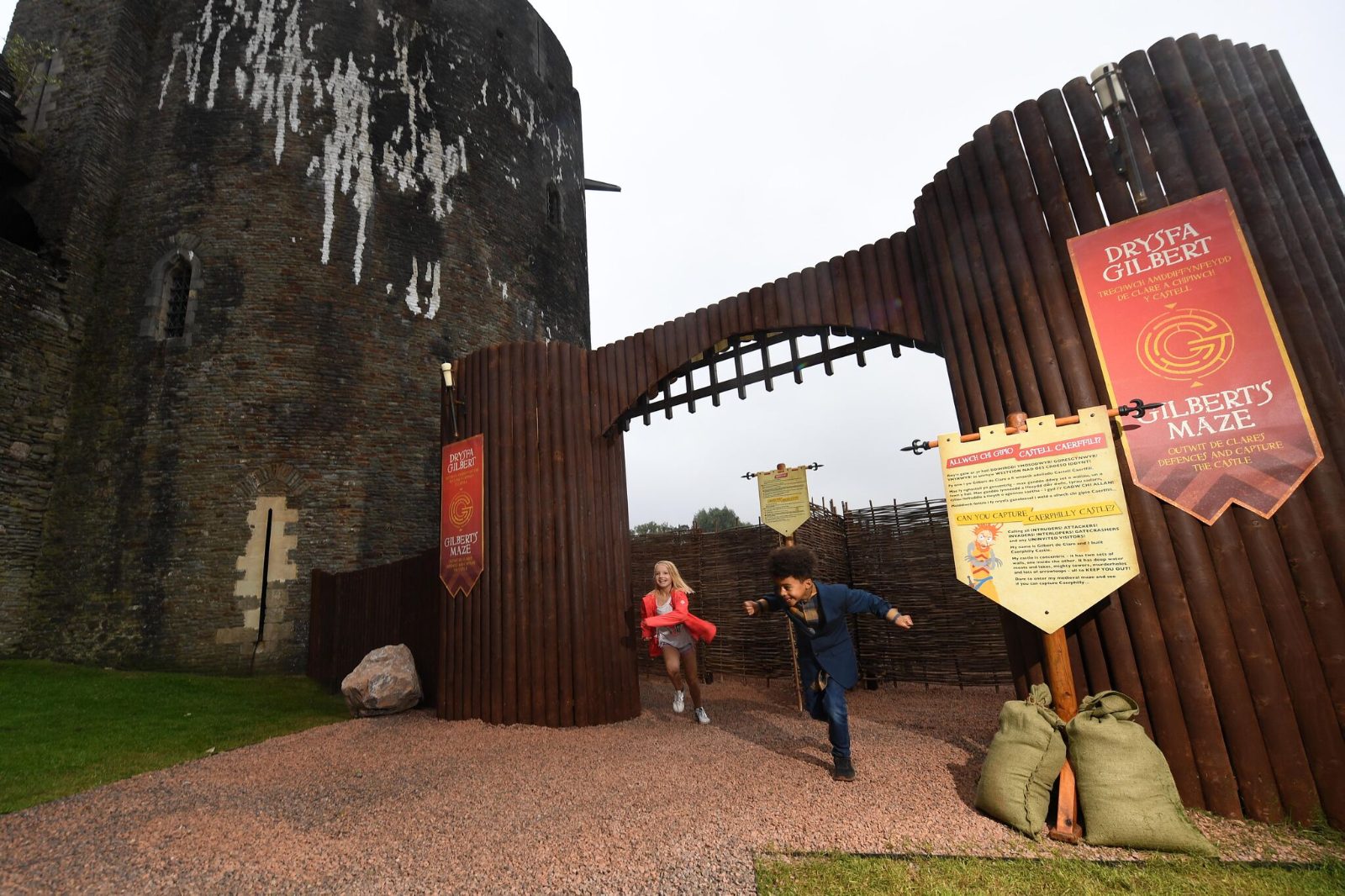
A family-oriented maze feature within the inner ward named after the castle's founder, Gilbert de Clare. It offers a lighter, interactive stop for younger visitors between the towers and the Great Hall.
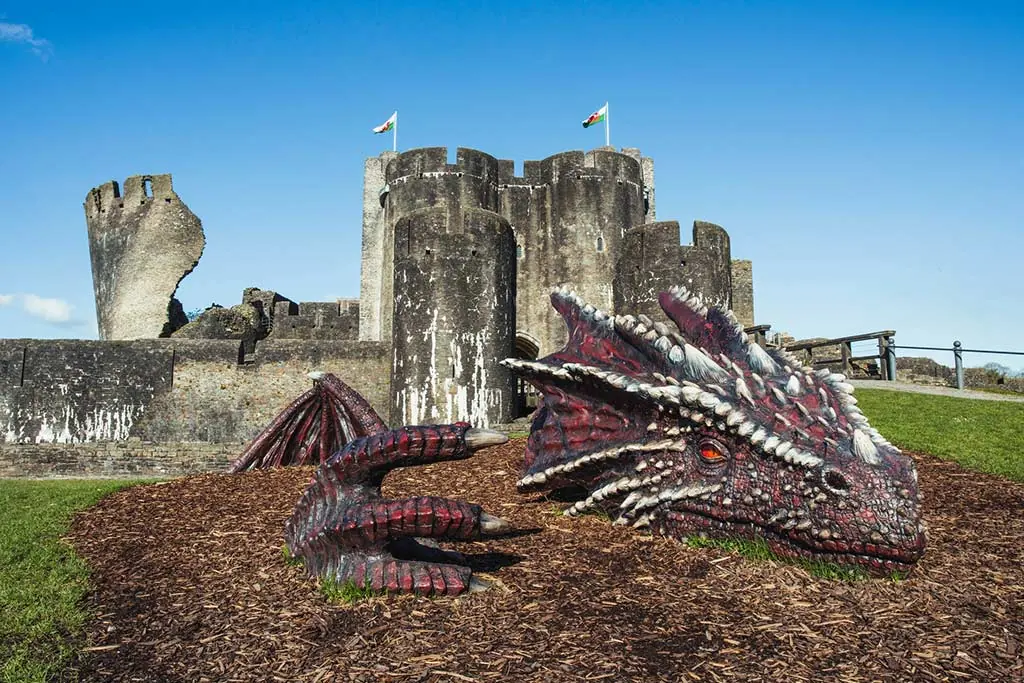
A themed display within the castle grounds featuring dragon figures, popular with younger visitors as a break from the medieval architecture. It sits within the inner ward alongside the site's family-focused features.
You come through the outer gate from Castle Street and the moat opens on both sides at once — thirty acres of water and wall with no obvious centre. Arrive between 09:30 and 11:00 and you get the platform to yourself, before the coach groups reach the ticket line.
Your Caerphilly Castle Tickets scan at the eastern entrance; last entry falls 30 minutes before the 18:00 close.
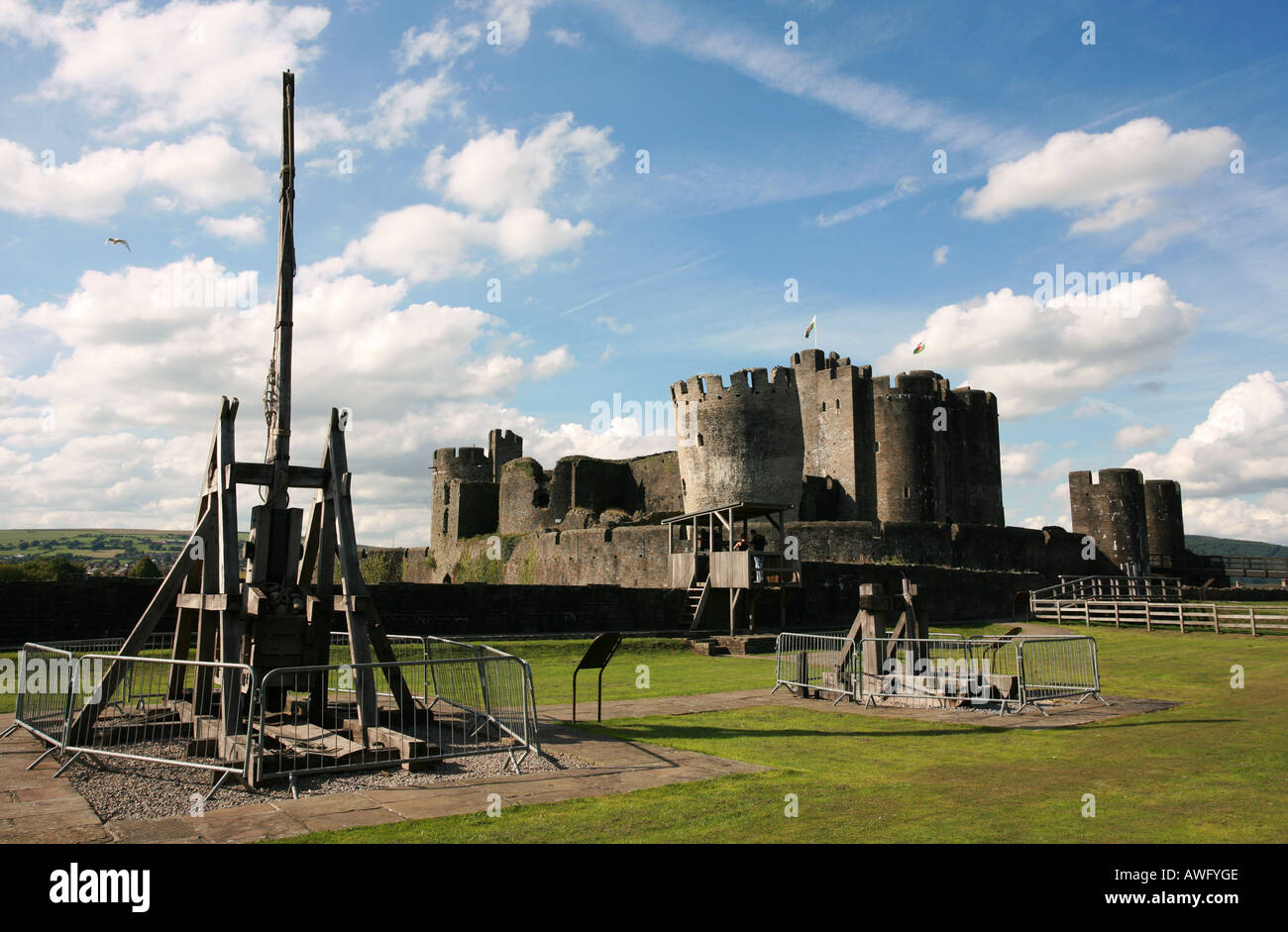
You cross the drawbridge into the middle ward, then turn right along the great dam. The buttresses run ahead of you in a long grey rhythm, water on one flank, dry ground on the other. Replica siege engines sit on the grass below — you can walk the trebuchet's full length and see the counterweight box up close.
Back at the inner ward, you climb the spiral to the wall-walk. The south-east tower is directly below you, canted at ten degrees, and the view runs over rooftops to the ridge beyond. You duck into the Great Hall, where the hammerbeam roof and carved corbels sit above a floor that echoes.
You finish where you started, on the causeway, looking back at the ruins with the whole layout finally making sense.
All the details about your upcoming adventure in one place
Caerphilly Castle Tickets give access to the largest castle in Wales and one of Europe's finest examples of concentric defence, ringed by artificial lakes and dams built by Gilbert de Clare. Inside the curtain walls you can see the leaning south-east tower, the restored Great Hall, replica siege engines on the lawns, and the gatehouse walkways looking out over the water. Caerphilly Castle Tickets tours are managed by Cadw, and admission covers the whole site including the exhibition rooms.
The south-east tower of Caerphilly leans further from vertical than the campanile at Pisa, and it has done so for centuries without falling.
That single tilted drum of masonry tells visitors most of what they need to know about the place: this is a fortress built at enormous speed, tested by war, half-ruined, and then held upright by stubbornness and money. Caerphilly Castle Tickets tickets cover a site that spreads across roughly thirty acres, making it the largest castle in Wales and the second largest in Britain.
Gilbert de Clare began work here in 1268, in disputed territory between the Anglo-Norman lordship of Glamorgan and the ambitions of Llywelyn ap Gruffudd. The essential history belongs elsewhere on this page; what matters for a visit is the idea de Clare imported. He dammed a stream and flooded the valley floor, then set his walls inside the water. The result was concentric defence — ring within ring, gatehouse behind gatehouse — a full generation before Edward I's architects repeated the principle at Beaumaris and Harlech.
The water is the collection here, as much as any stonework. The great eastern dam, over 300 metres of buttressed masonry, is itself a defensive work: a fortified wall doing double duty as a hydraulic engineer's earth-and-stone barrier. Behind it, the inner ward rises in Pennant sandstone, its four corner towers squat and unadorned. The Great Hall, remodelled around 1326 for Hugh Despenser the Younger, retains carved corbels and a restored hammerbeam roof — one of the few interiors at the site where domestic ambition, rather than military calculation, is legible.
Cadw, the Welsh Government's historic environment service, manages the monument today and has spent recent years reopening spaces long closed to the public. Full-scale replica siege engines stand on the lawns: a trebuchet, a mangonel, a ballista, built to working tolerances. Several Caerphilly Castle Tickets tours pair the fortress with the wider Rhymney Valley, and independent visitors will find the site reads perfectly well without narration — the layout is its own argument.
The town grew around the castle rather than the reverse, and the walls still dominate a modest high street from every approach. Guidebooks list it among the essential Caerphilly landmarks, though that undersells it. Few European castles preserve so complete a picture of thirteenth-century military thinking on a single site, and fewer still let you walk the dam, the ward, and the leaning tower in one continuous circuit. Caerphilly Castle Tickets grant access to all of it, ruined and standing alike.

The water is the collection here, as much as any stonework.
There is no formal dress code for visiting Caerphilly Castle, but flat, closed-toe shoes are strongly advised because the wall-walks and spiral staircases in the towers have uneven medieval stone steps. The outer ward and moat pathways are exposed, so a waterproof layer is worth carrying given south Wales' changeable weather.
Bag checks are minimal at Caerphilly Castle, but staff may ask to look inside large rucksacks or holdalls at the ticket office. There is no cloakroom or locker facility on site, so visitors are asked to carry only what they need for the visit, especially when climbing the leaning South East Tower.
Personal photography and filming are permitted throughout the castle grounds, Great Hall, and towers for non-commercial use. Tripods and drones require prior written permission from Cadw, and flash photography is discouraged near the Great Hall's restored decorative features.
Children under 5 are admitted free, and the site includes Gilbert's Maze and platform galleries that appeal to younger visitors. Buggies can navigate the outer ward but not the tower staircases.
The outer ward, moat walkways, and ground floor of the Great Hall are accessible by wheelchair and pushchair via ramped routes, and an accessible toilet is available near the entrance. The upper floors of the towers, including the leaning South East Tower, are reached only by narrow spiral staircases and are not wheelchair accessible.
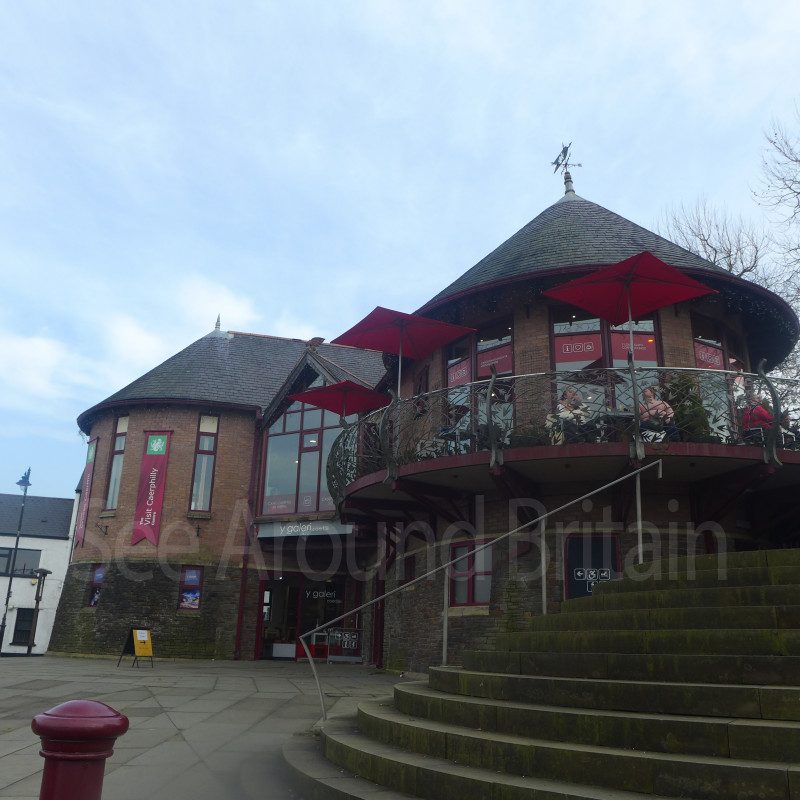
Coffi Vista, a café at the visitor centre opposite the castle entrance, serves hot drinks, snacks, and local Caerphilly cheese products. Outside food can be eaten in the outer ward picnic areas, but drinks and food are not permitted inside the Great Hall or the towers.
Quietest at opening
Mid-week, low crowds
Coach groups common
Busiest day, arrive early
Hours today
09:30 – 18:00, last entry 17:30
Opening hours
09:30 – 18:00
Getting there
City-center access via metro and bus
Accessibility
Most experiences are wheelchair-friendly — check individual tours
What to bring
Comfortable shoes, water, phone for mobile voucher
Public transport · 25 min from Cardiff · Around 4-6 GBP one-way rail fare
Take a Transport for Wales train from Cardiff Central to Caerphilly station, then walk about 10 minutes to the castle entrance on Castle St. Local buses, including the Caerphilly/Islwyn No 26 service, also stop directly opposite the castle.
Car · 20-25 min from Cardiff · Parking typically 2-4 GBP for a few hours
Drive via the M4 to Junction 32, then follow the A470 and A469 into Caerphilly town centre, following signs for the castle. Pay-and-display car parks are available a short walk from Castle St, including at Castle Court Shopping Centre.
Walk · 10 min from station · Free
From Caerphilly railway station, it is a flat 10-minute walk down Station Road and Cardiff Road to reach the castle entrance on Castle St.
Bike · Varies by starting point · Free
National Cycle Network Route 4 passes within 200 metres of the castle, offering a signed cycling route from Cardiff and the wider Caerphilly valley.

Caerphilly Castle Tickets booked online through Cadw can be cancelled or rescheduled up to 24 hours before the visit date for a full refund of the 13.5 GBP adult admission. Tickets cancelled within 24 hours of the visit, or unused on the day, are non-refundable.
Recommended time
2-3 hours
Most people booking Caerphilly Castle Tickets budget 2 to 3 hours to cover both gatehouses, the inner ward, the Great Hall's digital exhibits, and a walk along the battlements. Add 30 minutes if you're chasing the leaning tower and dragon exhibition with kids in tow, or trim to 90 minutes for a brisk loop of the highlights. Queues are rarely long even in summer, but coach parties can bottleneck the gatehouse stairs mid-morning, so factor in short waits there. Since last entry is 30 minutes before the 18:00 close, arriving by mid-afternoon still leaves enough time for a relaxed circuit of this Caerphilly landmark.
Crowd levels through the day
Weather · crowds · average price — dots go green to amber to red as each metric rises.
March to May brings mild temperatures around 10-15°C and fewer coach tours than summer, making it a comfortable season for exploring the outer ward and towers without heavy crowds.
June to August is peak season with temperatures reaching 18-22°C and school holiday crowds, including the Caerphilly Big Cheese Festival at the end of July drawing large numbers to the town.
September to November offers cooler weather around 8-14°C and thinning visitor numbers, with clearer photography light on the water defences in the early mornings.
December to February sees temperatures near 2-8°C and the quietest visitor numbers of the year, though shorter daylight hours mean earlier arrivals are advised to make the most of the visit.
Caerphilly Castle Tickets can be purchased online in advance through Cadw, which is worth doing during July and August when the Big Cheese Festival and school holidays increase demand.
The spiral staircases inside the leaning South East Tower have narrow, uneven medieval stone steps, so trainers or walking shoes are more practical than sandals.
South Wales weather changes quickly, and much of the outer ward and moat walk is uncovered, so a compact rain layer is worth carrying even on a sunny forecast.
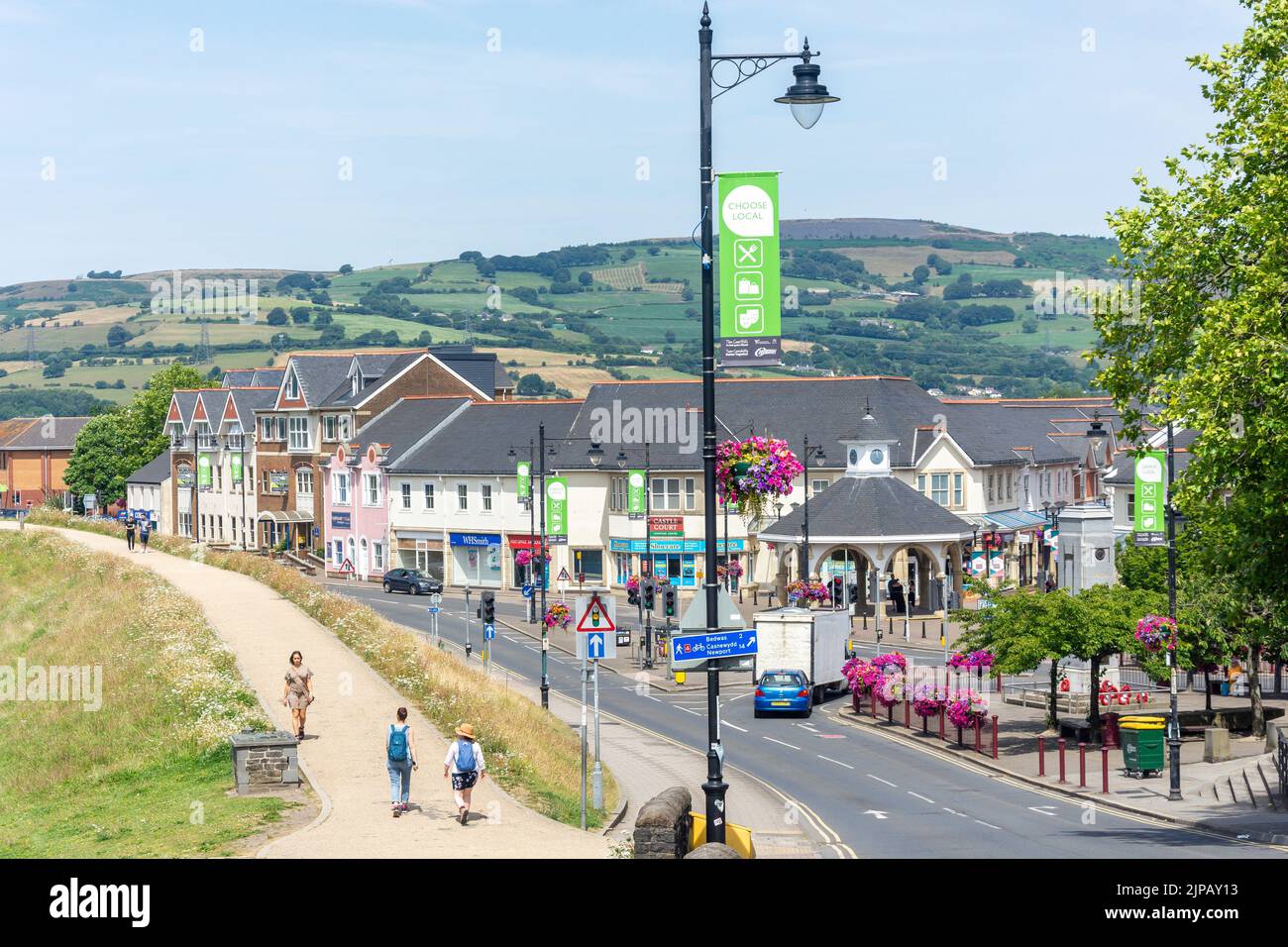
The Twyn Community Centre, Tommy Cooper statue, and Castle Court Shopping Centre are all within a 10-minute walk, making it easy to pair Caerphilly Castle Tickets with a short town walk.
The direct rail link from Cardiff Central to Caerphilly station takes about 25 minutes and drops visitors a short walk from the castle gates, avoiding parking costs.
Cadw periodically carries out conservation work on sections like the Inner East Gatehouse, so checking the official site before visiting helps avoid surprises about partial closures.
Coffi Vista at the visitor centre opposite the entrance sells Caerphilly cheese products, a fitting snack after exploring the fortress that shares the town's name.
Castle St, Caerphilly CF83 1JD, United Kingdom
Primary entry point for all visitors and group meet-ups
Get directions
Opposite Castle St entrance, Caerphilly CF83 1JD
Café and information point, useful as a rendezvous before or after the visit
Get directionsThe story begins before the stone. A Roman fort stood on this ground around AD 75, garrisoned under the governorship of Julius Frontinus during the campaigns against the Silures, then abandoned by the early second century. The site lay quiet for a thousand years. What draws visitors buying Caerphilly Castle Tickets today is the work of one man in a hurry: Gilbert de Clare, Earl of Gloucester, known as the Red Earl. He began building on 11 April 1268, seizing the upland basin to block Llywelyn ap Gruffudd's advance into Glamorgan. Llywelyn answered with fire. In October 1270 the Welsh prince stormed the half-finished works and burned them. De Clare began again in 1271, and a second dispute saw the royal commissioners hold the site briefly in 1271-72 before he resumed control. What rose was England's first concentric fortress — walls within walls, a design predating Edward I's celebrated North Welsh castles. The great artificial lakes, formed by damming the Nant y Gledyr, remain the largest water defences in Britain. Anyone taking a Caerphilly Castle Tickets tour walks across dams that are themselves fortifications, studded with buttressed platforms. The great hall was remodelled around 1322 by Hugh le Despenser the Younger, favourite of Edward II; Despenser was hanged at Hereford in 1326, and the castle's political importance died with him. Decline followed. By 1583 the site was leased for farmland. The Civil War brought the near-disaster that defines its silhouette: military activity in the 1640s, and probably a deliberate slighting, left the south-east tower cracked and tilting. It leans roughly ten degrees — further from vertical than the tower at Pisa. Ivy and rubble did the rest. Rescue came from the Bute family: the third Marquess began clearing works in the 1870s, and the fourth Marquess drove the major campaign from 1928 to 1939, re-flooding the lakes and rebuilding the curtain walls. The state took charge in 1950. Visitors booking Caerphilly Castle Tickets tickets now enter a monument in the care of Cadw, whose 2023-25 works added new interpretation to the inner ward. Guided Caerphilly Castle Tickets tours draw out details easily missed: the murder holes, the reconstructed siege engines on the outer ward, the Despenser masonry seams. Among Welsh medieval landmarks, few carry so much visible evidence of their own ruin and repair.
A Roman auxiliary fort is established on the site during the Roman advance against the Silures.
Gilbert de Clare, Earl of Gloucester, begins construction on 11 April to check Llywelyn ap Gruffudd.
Llywelyn's forces attack and burn the unfinished castle, halting work for a year.
De Clare restarts building, creating England's first fully concentric fortress and vast dammed lakes.
Hugh le Despenser the Younger remodels the great hall; his execution in 1326 ends the castle's political role.
The decayed castle is leased out as farmland, beginning centuries of neglect.
Civil War slighting damages the south-east tower, leaving it leaning about ten degrees.
The fourth Marquess of Bute funds major restoration and re-floods the lakes; the state assumes guardianship in 1950.
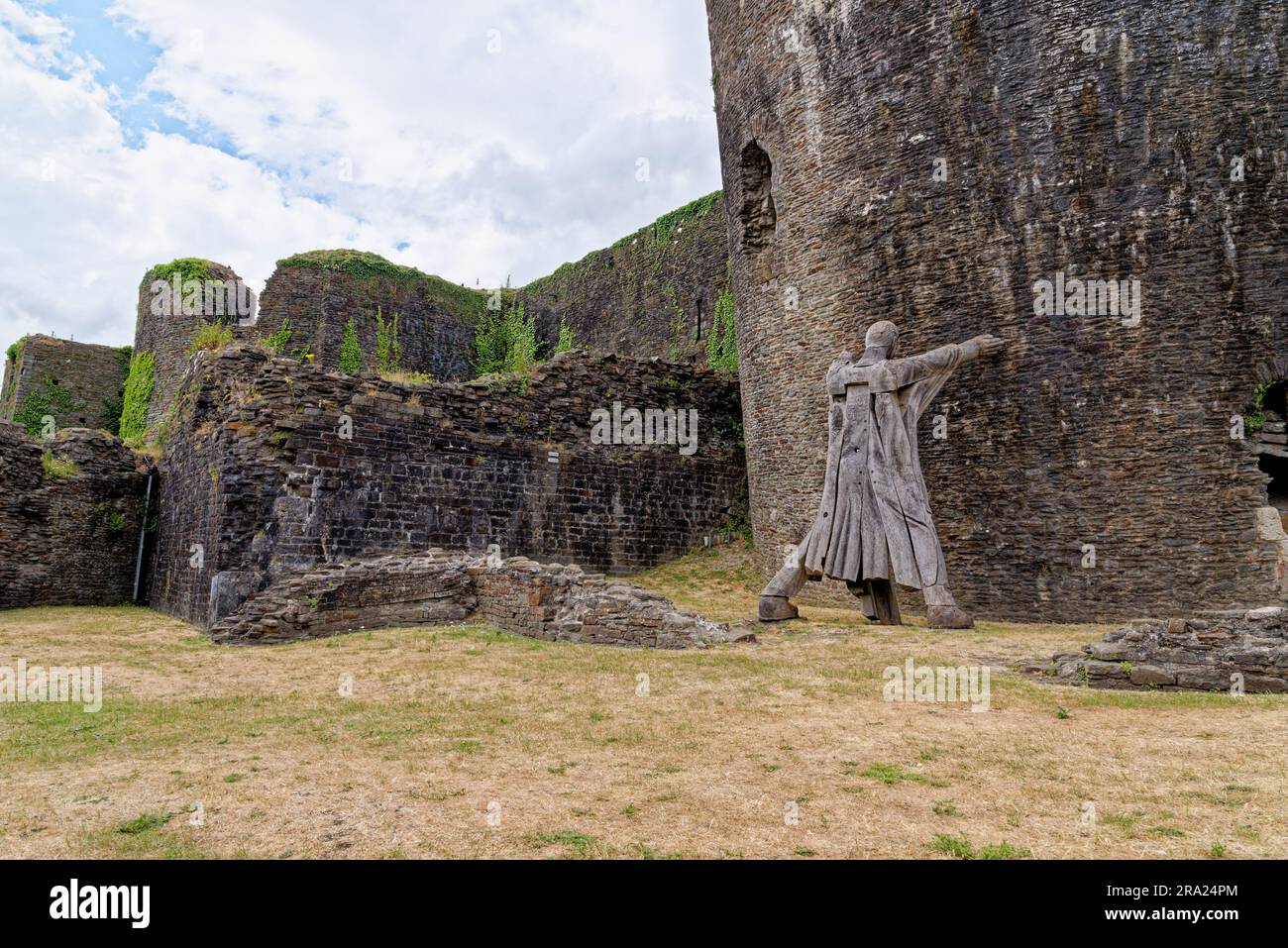
The famous leaning southeast tower tilts around 10 degrees, out-leaning Pisa, with the 20-foot wooden statue of the 4th Marquess of Bute appearing to prop it up. Stand in the outer ward facing the tower for the classic shot, or pose beneath the statue's outstretched arms as if holding the stonework up yourself. This spot alone justifies booking Caerphilly Castle Tickets, since the tilt only reads properly from ground level a few metres back.
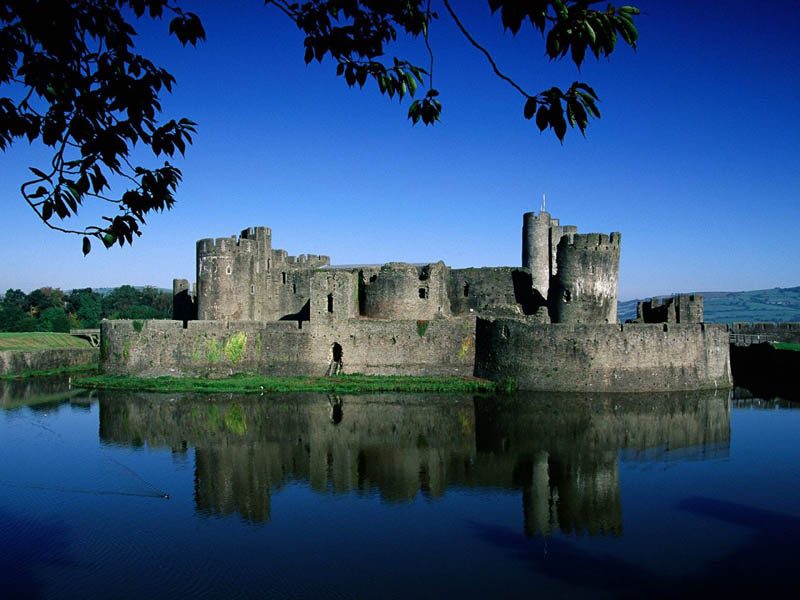
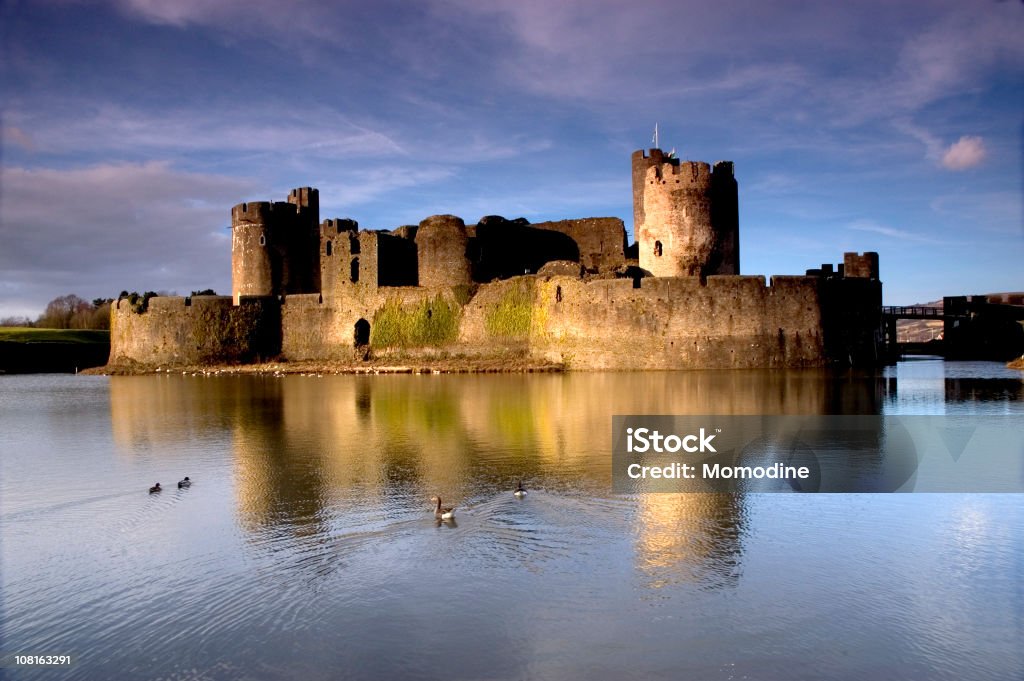
Follow the grassy embankment path along the outer east moat opposite Castle Street for a full symmetrical reflection of the towers and curtain walls on the still water. This is the widest unobstructed view of the whole fortress, ideal for capturing the concentric walls and water defences in one frame. Early morning stillness gives the sharpest mirror image before wind ripples the surface.
Inside the restored Great Hall, the tall traceried windows and timber roof create a dramatic vaulted interior shot, especially when the furnished long tables are lit by the tall east-facing windows. Shoot from the far end looking toward the windows for depth, or from the dais for the reverse angle. Access is included with entry and rarely crowded outside tour-group hours.
Climb the inner east gatehouse to reach an elevated rooftop viewpoint looking out over the moats, dam platforms and the wooded Welsh hills beyond the town. It is one of the few spots that puts the full scale of the concentric defences and surrounding landscape into a single frame. Stairs are narrow and stone-worn, so move carefully in wet weather.
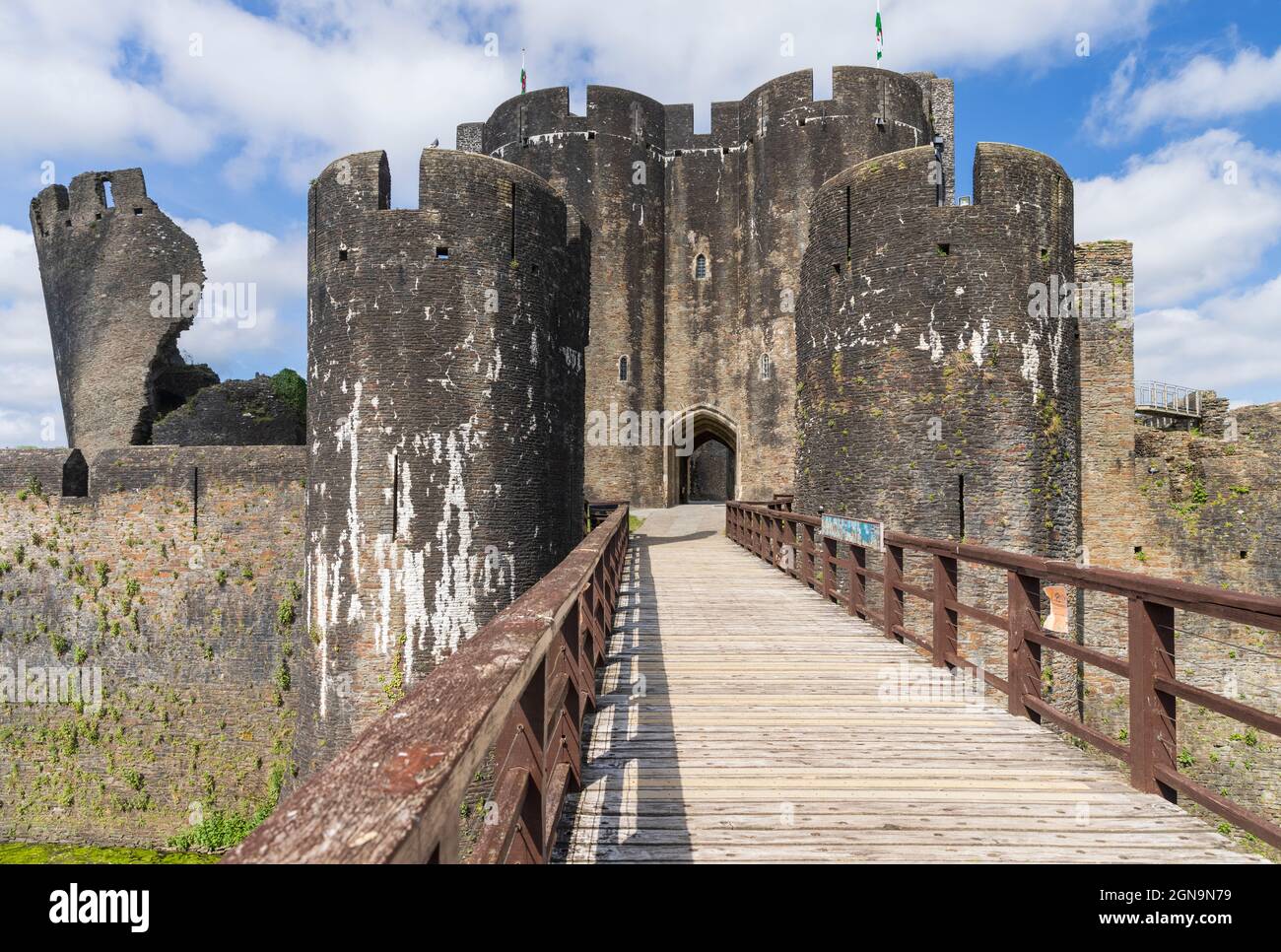
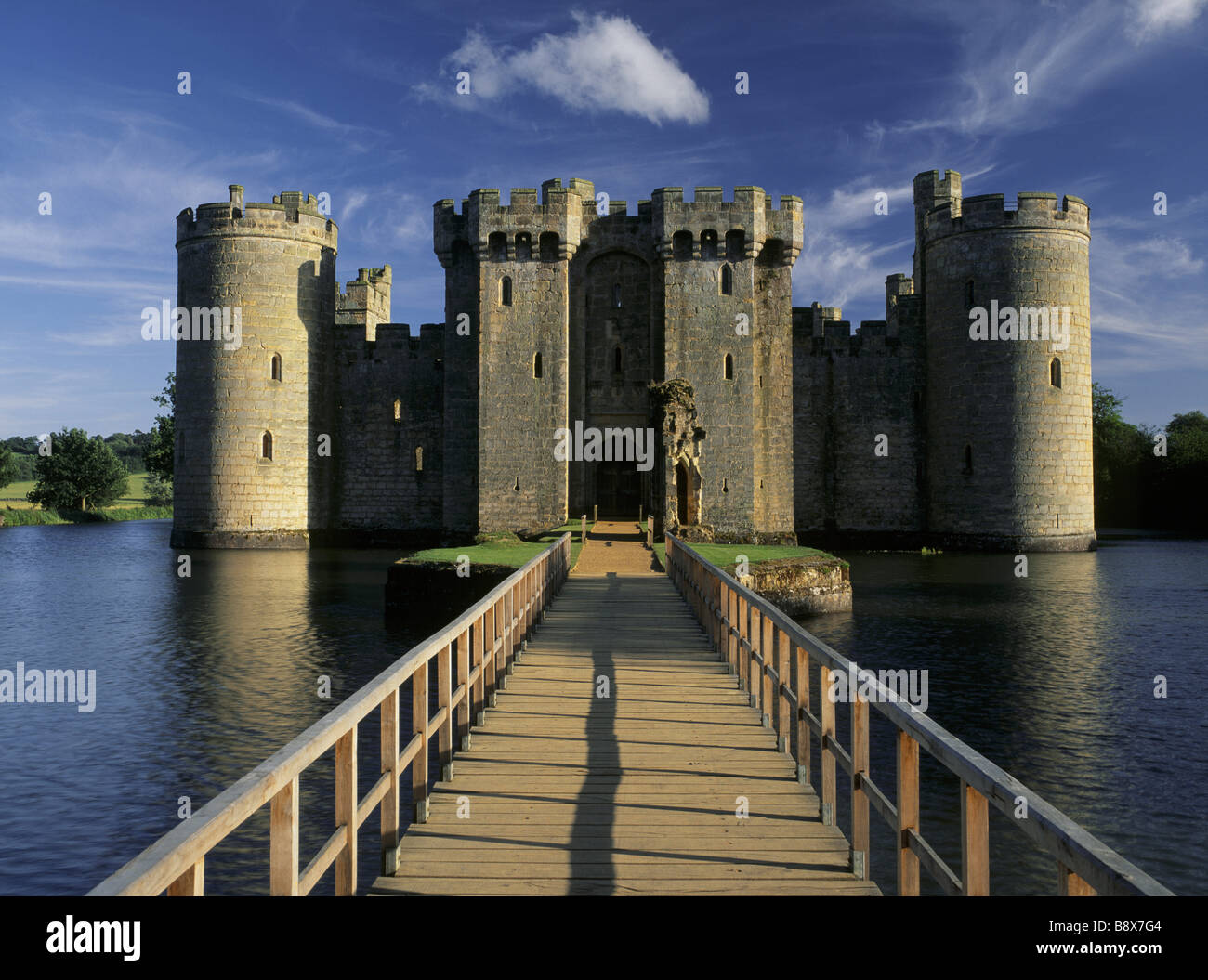
Standing on the bridge over the moat at the main entrance gives a head-on view straight through the gatehouse arch into the inner ward, framing the castle's layered walls in one line. It is the natural spot for an establishing shot before heading in, and works well for anyone researching Caerphilly Castle tours in advance to picture the approach. Both morning and late afternoon light rake nicely across the stonework here.
Caerphilly Castle Tickets suit families well, since kids move freely between the Dragons' Lair and the wooden siege-engine replicas while adults linger over the architecture, but the 30-acre grounds and uneven medieval stonework mean pacing matters more than any single stop.
Roughly 4 to 12 gets the most out of this Caerphilly Castle tour: the dragon storytelling and mock trebuchets hold attention, while older kids enjoy the spiral tower staircases and battlement views.
Split the visit into two loops rather than one long circuit: the Dragons' Lair and inner courtyard first, then the South Dam Platform siege engines, with a bench-sitting break between so little legs recover before tackling towers.
Medieval steps and worn stone floors are common throughout, particularly on the spiral staircases, so supervise closely and expect a slower pace than on flat modern paths.
Toilets with baby-changing facilities sit near the Great Hall, useful as a natural midpoint stop when energy dips.
Save tower climbs for when children are freshest, usually right after arrival, and treat the dragon's den as a calmer sit-down recovery point later in the visit.
Much of the appeal is outdoors on the siege-engine platform, so a wet visit works best if you prioritize the covered Dragons' Lair and Great Hall areas first.
Real experiences from real travelers
We drove over from Swansea on a hot Saturday and the sheer footprint of the place caught us off guard — the water defences alone stretch further than the whole of most ruins. Caerphilly Castle Tickets were sorted online in about two minutes and we walked straight through the gatehouse. The stone was warm to the touch by mid-afternoon.
I'd seen photos but standing under that south-east tower is different — it hangs out further than Pisa and nobody seems to talk about it. Plenty of open lawn for kids to run and the moat keeps the whole site cool even in bright sun. Cadw staff at the entrance answered a lot of questions without rushing us.
As someone who reads about castle architecture this is the clearest example of concentric design I have walked through, better preserved in layout than most French equivalents. The reconstructed Great Hall smells of old timber and the light through the windows is worth the walk up. We booked Caerphilly Castle Tickets tickets the night before with no problem.
Rain came sideways off the hills the morning we visited and there is not much shelter once you're out on the ramparts, so bring a proper coat. The siege engines on the grass are full size and genuinely impressive up close. Still glad we came.
We arrived not long after opening and had the outer ward almost to ourselves, mist still sitting on the water. The Caerphilly Castle tour signage is bilingual and clear enough that we didn't need a guide. Castell Caerffili is the Welsh name on the boards, which my daughter enjoyed learning.
Climbing the wall walk gives you the whole town on one side and the Rhymney valley on the other, and the reflection in the lake looked almost solid in the flat winter light. Caerphilly Castle Tickets tours run at a comfortable pace and nobody hurries you along the battlements. The dragon sculpture near the wall got a laugh from everyone passing.
Gilbert de Clare clearly did not build this to be subtle — the gatehouse walls are thick enough to swallow sound. We spent close to two hours just on the outer defences and never felt crowded. Among Caerphilly landmarks this is the one that stays with you.
September gusts on the wall walk were fierce enough that I held onto my hat the entire way round, though the views over the lakes made up for it. The interior rooms are sparse rather than furnished, so come for the scale and the stonework rather than displays. Buying Caerphilly Castle Tickets in advance saved us queuing behind a coach party.
Came in the last hour before closing and the low sun turned the sandstone properly orange against the water. My teenagers were more interested in the trebuchet than the history, which is fair enough. A Caerphilly Castle Tickets tour would have added context but wandering unguided suited us fine.
The exterior and the water defences are the real draw here; several towers are closed off and the rooms you can enter are largely bare stone. Worth an hour or so if you are already in the area rather than a long detour. The moat and the leaning tower photograph beautifully in the evening.
Everything you need to know for your journey
Caerphilly Castle Tickets are valid every day of the week from 09:30 to 18:00, with the same hours applying Monday through Sunday.
Adult single-location admission for Caerphilly Castle Tickets costs 13.5 GBP, covering entry to the Great Hall, towers, and grounds.
Yes, last entry for Caerphilly Castle Tickets is 30 minutes before closing, so visitors should arrive by 17:30 at the latest given the 18:00 closing time.
The outer ward, moat walkways, and ground floor of the Great Hall are step-free and accessible, though the upper floors of the towers are reached only by narrow spiral staircases.
Prohibited items for Caerphilly Castle Tickets include drones and tripods without prior permission, open flames, fireworks, large suitcases, bicycles inside the walls, and glass bottles near the towers.
Personal photography is permitted throughout Caerphilly Castle for non-commercial use, though tripods and drones require written permission from Cadw in advance.
Arriving at opening, around 09:30 to 11:00, is the quietest window for Caerphilly Castle Tickets tours, before coach tour groups typically arrive later in the day.
There is no strict dress code, but flat, closed-toe shoes are recommended for the uneven stone steps in the towers and wall-walks.
Food and drink can be enjoyed in the outer ward picnic areas, but they are not permitted inside the Great Hall or the tower interiors.
Caerphilly Castle is a 25-minute train ride from Cardiff Central to Caerphilly station, followed by a 10-minute walk to the entrance on Castle St.
Yes, Caerphilly Castle Tickets suit families well, with children under 5 admitted free and features like Gilbert's Maze appealing to younger visitors.
Caerphilly Castle Tickets booked online can typically be cancelled up to 24 hours before the visit date for a full refund of the 13.5 GBP admission fee.
Nearby landmarks that pair well with Caerphilly Castle Tickets include the Twyn Community Centre, the Tommy Cooper statue, and Castle Court Shopping Centre, all within a short walk of the town centre.
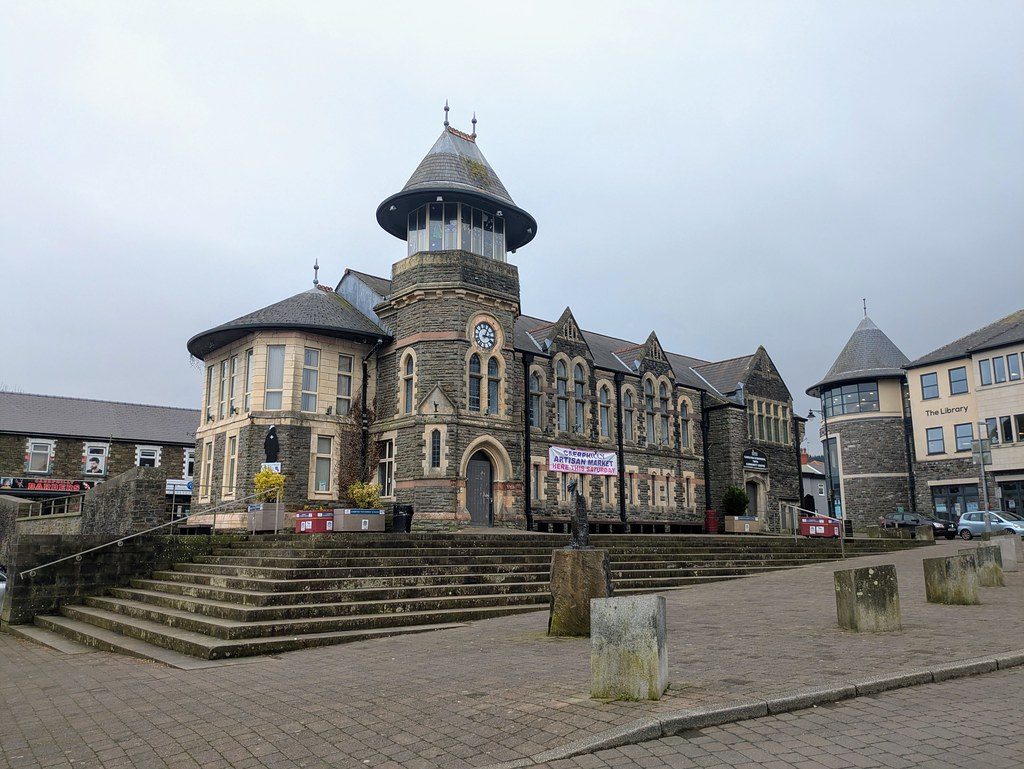
A stone community building in Twyn Square that now houses Caerphilly Town Council, standing on the site of a historic 19th-century cheese market hall. It offers a glimpse of the town's civic history away from the castle walls.
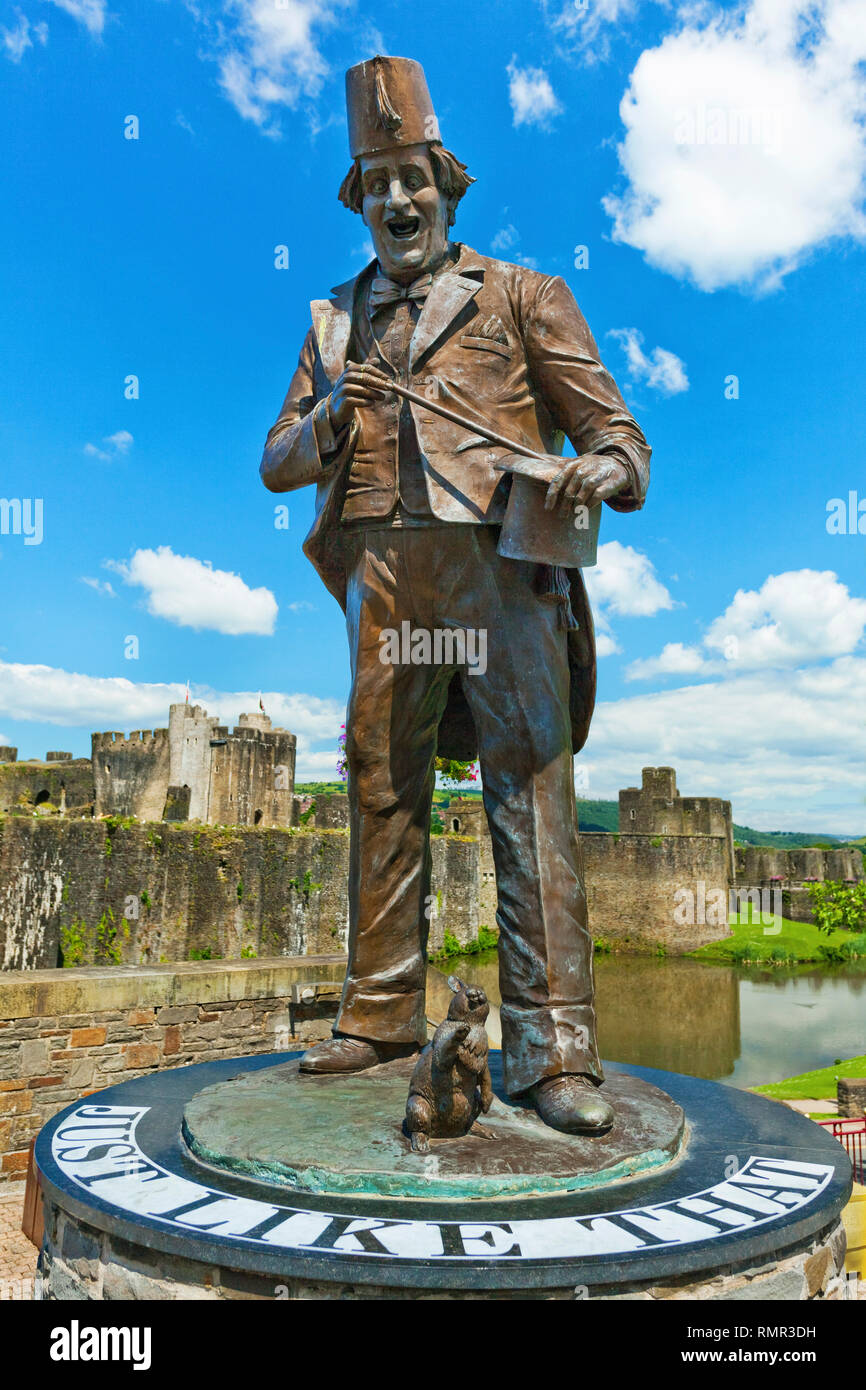
A bronze statue in the town centre honouring the Caerphilly-born comedian and magician Tommy Cooper. It is a popular quick photo stop for visitors exploring beyond the castle.
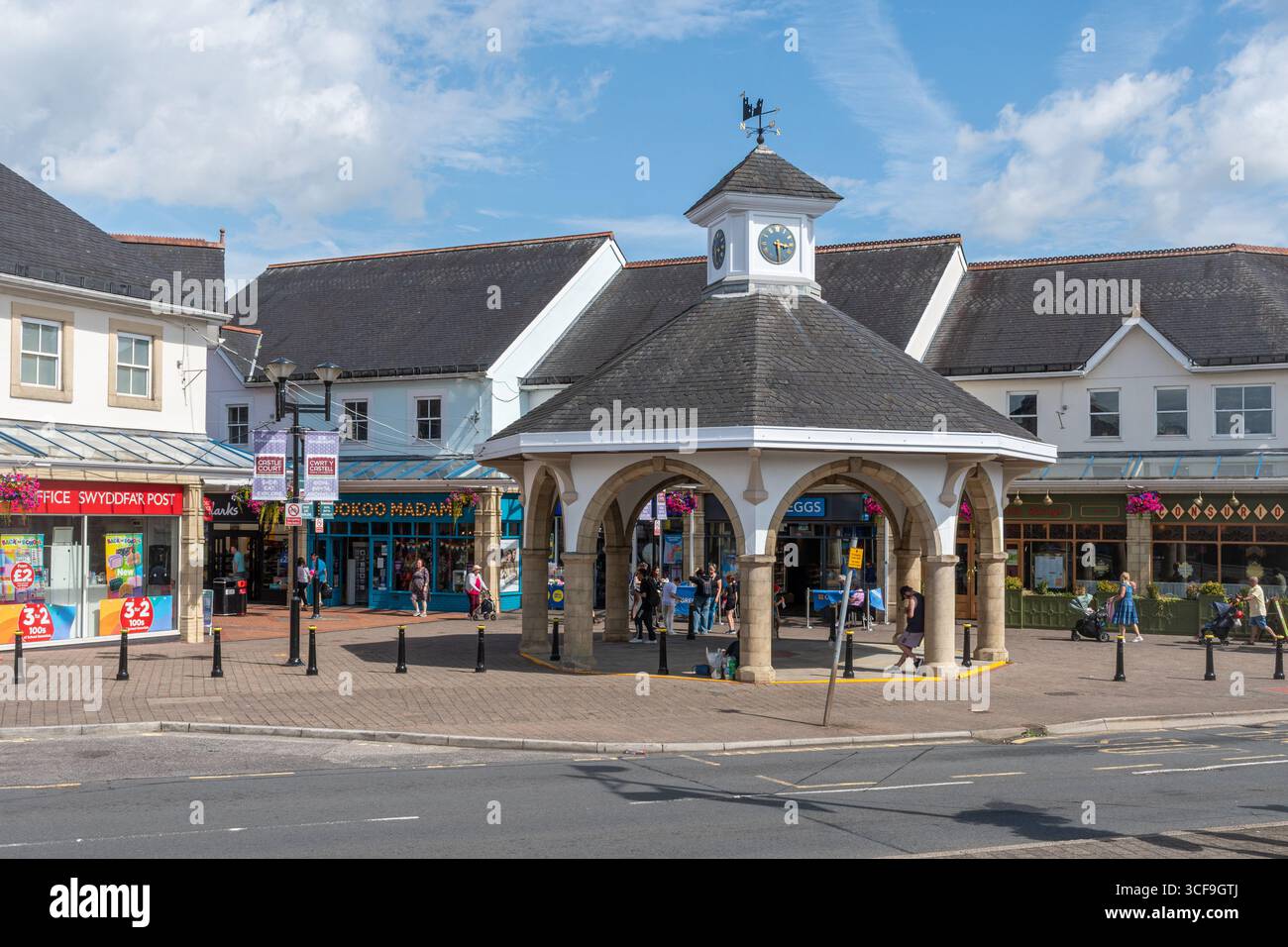
A small town-centre shopping precinct with independent shops and a monthly craft and food market featuring local Caerphilly cheese producers.
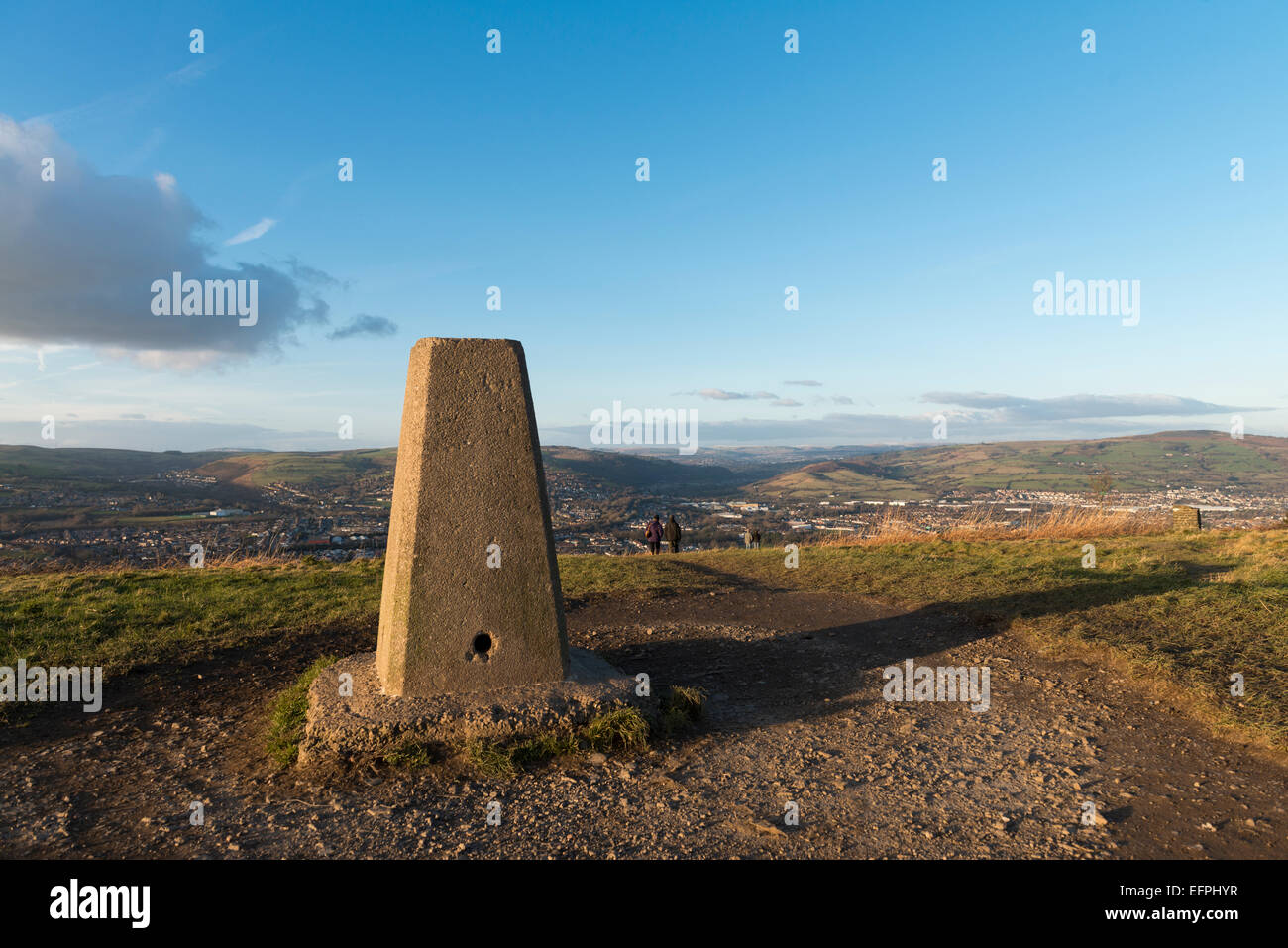
A hillside above the town offering panoramic views over Caerphilly and the surrounding valleys, popular for short walks and picnics.
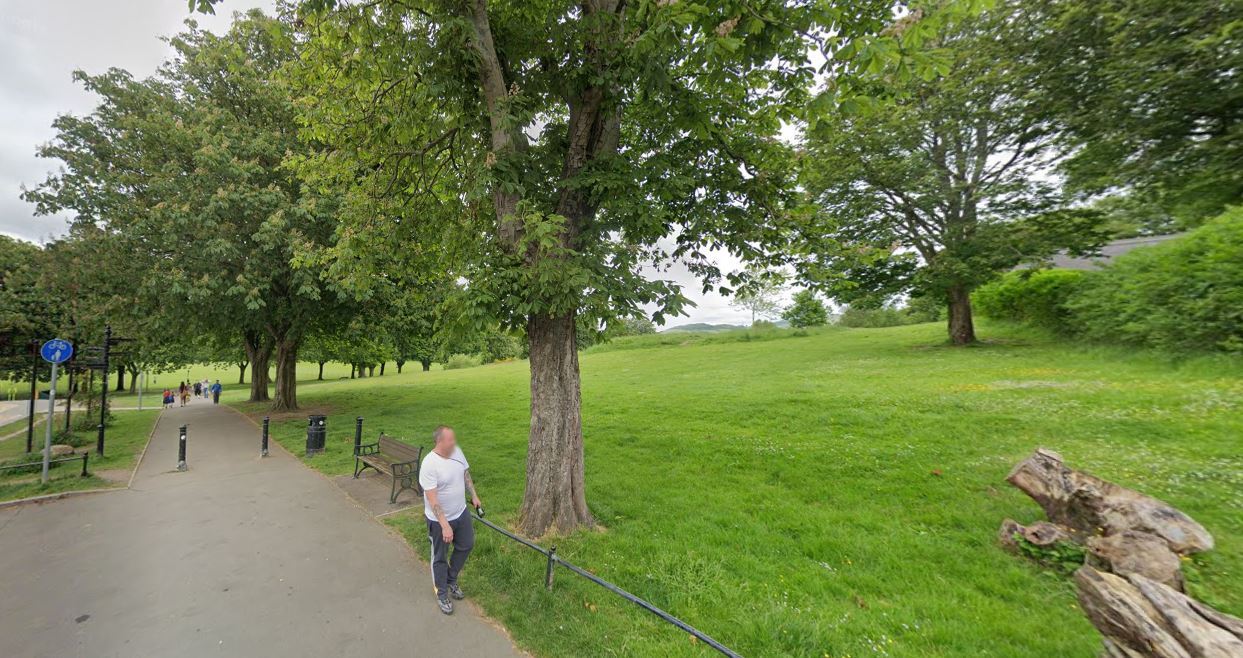
A riverside park with gardens and open lawns along the Nant Y Aber Valley stream, offering a green space to rest after visiting the castle.
A cluster of budget and mid-range guesthouses and small hotels within easy walking distance of Castle St, convenient for visitors without a car.
A countryside bed and breakfast near Rudry, a short drive from the castle, offering a quieter rural alternative to staying in town.
A wide range of budget-to-luxury hotels in Cardiff, with frequent direct trains making a day trip to Caerphilly Castle straightforward.
Join thousands of happy travelers who have discovered this incredible experience
Book Your Experience Now